
Same failures, different decade: white paper calls for new tactics to prevent grantmaking mistakes
Posted on 03 Aug 2026
A decade of Australian auditor-general reports shows grantmakers and decision makers repeatedly…
Posted on 15 Dec 2025
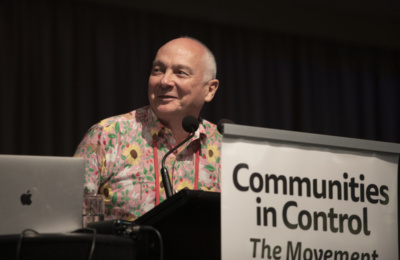
By Denis Moriarty, group managing director, Our Community
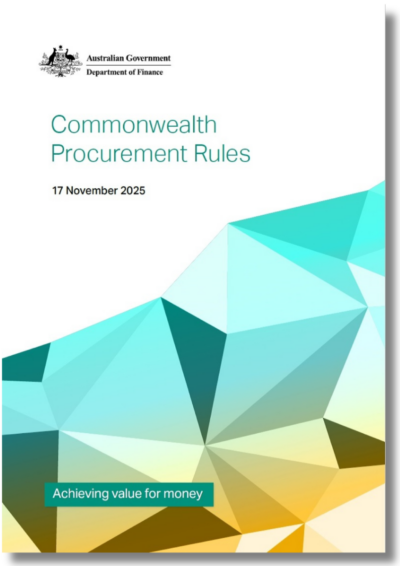
The federal government’s recent reforms to the Commonwealth procurement rules (CPRs) mark a pivotal moment in the relationship between public service, suppliers and community – and offer a clear opportunity to strengthen accountability, value creation and trust in public sector purchasing.
From this month, Australian government agencies will be required to consider not only value for money and past performance in selecting suppliers, but, critically, the ethical conduct of bidders.
The new procurement guidance makes explicit that non-financial factors – including a supplier’s record and commitment to ethical behaviour – must form part of the decision-making process.
This is more than window-dressing: it marks a substantial shift in how government purchasing must be exercised.
In nearly three decades working in government, the community sector and social enterprise, I have seen the limits of purely transactional procurement. When governments contract for goods or services without adequately assessing the supplier’s values, behaviour or community alignment, several risks emerge: mission drift, reputational damage, inefficient outcomes and lost public trust.
Adding an “ethical conduct” requirement to the procurement rules means government is acknowledging that who you are as an organisation matters just as much as what you deliver. It recognises that taxpayers’ money is not just a commodity to be extracted, but a public asset to be deployed in the service of the Australian community.
The Australian government procures on average around $70 billion each year in goods and services, and to ignore ethics in that context is to compromise the integrity of public and community investment.

"If governments shift a portion of their vast purchasing power towards Australian organisations built on community values, then the outcomes will ripple across civil society."
For many years, smaller suppliers and social enterprises have argued – correctly – that big-ticket contracts tend to favour incumbent “big four” consultancies, large software firms and multinational vendors. The reforms are meant to counter that imbalance: for example, by prioritising Australian businesses for contracts under certain thresholds, and by obliging agencies to monitor the ethical behaviour of suppliers throughout the term of the contract.
Organisations with a deep understanding of local conditions, ethical business models, and a demonstrated commitment to community outcomes should be able to proceed further to the front of the queue.
This is a positive development, not just for businesses such as ours, but for all government agencies seeking to deliver better outcomes, using organisations that share more of their values and have the local knowledge capable of generating better results.

When I reflect on the development of grantmaking systems and technology over the past two decades, including through our SmartyGrants business, many of the persistent problems we’ve encountered have been relational, not technical: mis-aligned incentives, lack of transparency, slow feedback loops, volunteer fatigue in community bodies, and weak alignment between grantmakers and grantees.
These issues are exactly the kinds of risks that ethical procurement rules aim to tackle. If government engages a supplier without paying due attention to its culture, values or track record, then the contract may deliver not only poor functionality but also frustrated and disengaged users, unfulfilled community outcomes, and costs to the taxpayer of more time, re-work and erosion of trust.
Contracting agencies should not treat the new procurement requirements as just another checklist item. Ethical conduct demands that agencies:
For organisations working closely with the community sector, ethical conduct is often baked into the business model, based on a combination of lived experience, building systems with and for community organisations, testing in live settings, refining work with community members, volunteers and boards, and embedding user-centric design and accountability. It’s about acting ethically, rather than simply churning out more and more box-ticking policies.
To agencies preparing now for the procurement changes: don’t assume that ethical conduct means higher cost or slower delivery. When you partner with organisations operating on ethical foundations, you’ll see fewer surprises, better results and more stable partnerships.
To the supplier community: the competitive terrain is shifting. It is no longer sufficient to be technically excellent – you must also demonstrate integrity, local commitment, aligned values and community engagement. Those attributes won’t just satisfy the new CPRs, they will help you build enduring, trusted relationships with government and community alike.
For the community sector this procurement reform is a moment of opportunity. If governments shift a portion of their vast purchasing power towards Australian organisations built on community values, then the outcomes will ripple across civil society: stronger organisations, better grantmaking systems, more efficient funding flows – and ultimately communities that are more resilient and capable.
The procurement rules aren’t just about suppliers being “clean” or “ethical”, they are about governments being confident that money spent truly builds community value.
Posted on 03 Aug 2026
A decade of Australian auditor-general reports shows grantmakers and decision makers repeatedly…

Posted on 25 Jun 2026
Australia distributes an estimated $125 billion in grants annually, but grantmaking, unlike…
Posted on 25 Jun 2026
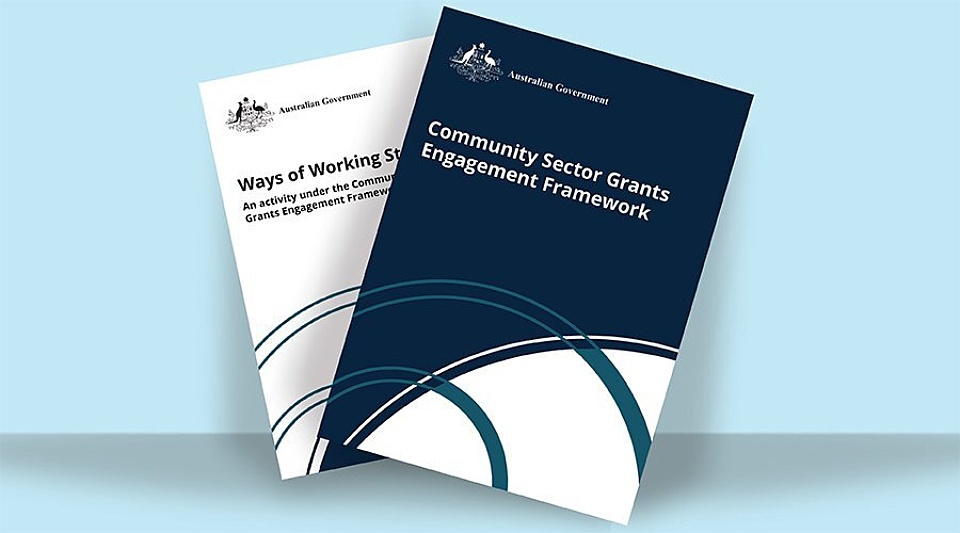
The federal government's Community Sector Grants Engagement Framework is "on track," the Department…

Posted on 25 Jun 2026
Australia’s grants administration system has centralised bureaucracy instead of expertise, creating…

Posted on 25 Jun 2026
Nine in 10 Australian social impact measurement practitioners are now using AI in their work, but…

Posted on 24 Jun 2026
More than 300 of Australia’s top social impact professionals and leaders will gather in Sydney on…

Posted on 03 Jun 2026
A new report has found that ongoing financial, workforce and governance pressures mean the…

Posted on 20 May 2026
The Australian National Audit Office (ANAO) has released a new report in its Audit Lessons series,…

Posted on 20 May 2026
The NSW government's administration of a flood recovery grants program has largely met requirements…
Posted on 07 May 2026
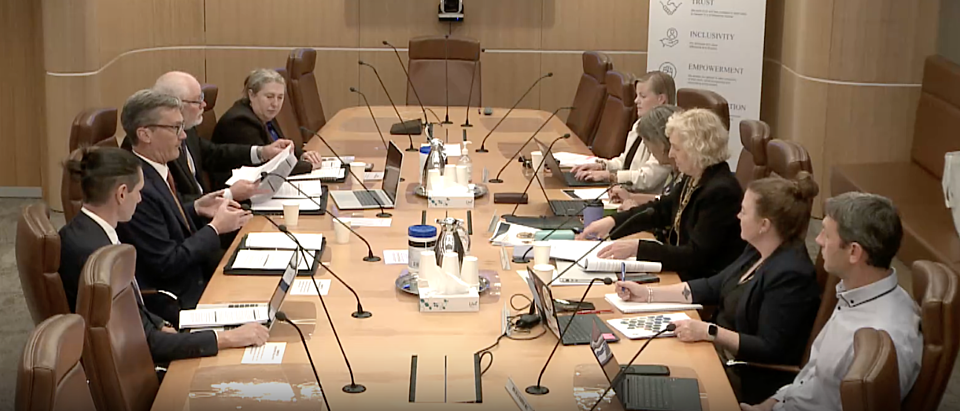
A Tasmanian parliamentary inquiry has heard new evidence that the state's Department of Health has…

Posted on 07 May 2026
A fast-growing region of New Zealand – home to the world’s best adventure tourism, awe-inspiring…
Posted on 07 May 2026
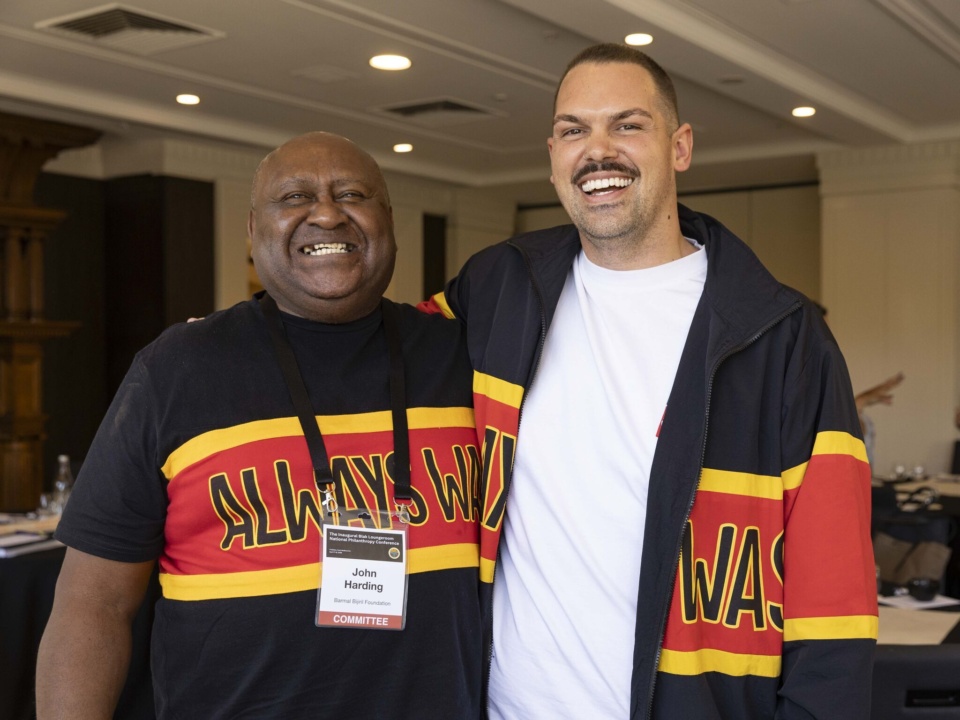
Organisers of Blak Loungeroom, a historic Indigenous-led philanthropy conference held in Melbourne…