
Same failures, different decade: white paper calls for new tactics to prevent grantmaking mistakes
Posted on 03 Aug 2026
A decade of Australian auditor-general reports shows grantmakers and decision makers repeatedly…
Posted on 15 Dec 2025
By Matthew Schulz, journalist, Institute of Grants Management

With billions of dollars at stake – including vast sums being allocated by governments –grantmakers are under pressure to get application procedures, assessments, reporting and outcomes right, and to avoid being featured on the front page of Australia’s biggest tabloids.
Yet many of Australia’s professional grants managers are battling with inadequate systems across tech, policies and practices.
Standardising aspects of the work makes a lot of sense, and it’s already happening in engineering, manufacturing, education, communications, policymaking and other areas.
In recent years, “standardisation” has become a hot topic for grantmakers, as governments seek to increase efficiencies, productivity and good outcomes.
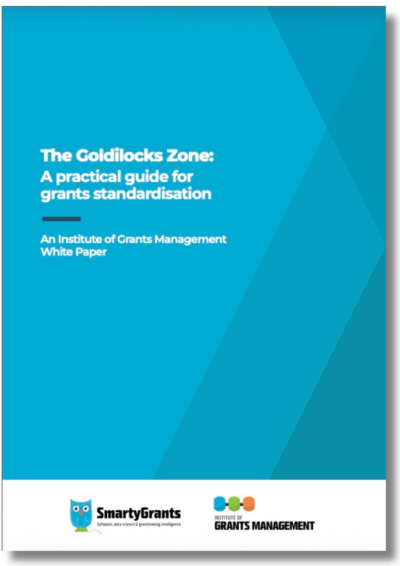
The Institute of Grants Management (IGM) has been examining the issue as it applies to the grantmaking sector for the past two years, culminating this month in the publication of a white paper on the topic, The Goldilocks Zone: A practical guide for grants standardisation.
The 52-page publication comes at the right time for grantmakers, especially government operators in the federal, state and local spheres.
SmartyGrants executive director Kathy Richardson said standardisation promised a fast and effective way of improving grantmaking, increasing value for money for funders and recipients, improving transparency, compliance and quality, and reducing red tape for grantees.
The white paper’s title reflects the SmartyGrants and IGM view that the Goldilocks zone is where the balance of consistency and flexibility in grantmaking is “just right”. In the Goldilocks zone, data is kept “neat” while processes are fair yet flexible.
Richardson said the white paper drew on SmartyGrants’ two decades of experience, close analysis of SmartyGrants user practices across more than 10,000 funding programs, and the results of a national survey of users, to distil practical insights for grantmakers.
“We see our role as a conduit for knowledge exchange among experienced grantmakers, and this report helps us fulfil that role,” Richardson said.
“This white paper brings together the hard-won insights of hundreds of system users with our bird’s-eye view of the sector, giving the field a clearer line of sight on what actually works.”
She said standardisation would help users generate clearer eligibility criteria, consistent assessment, reliable reporting, stronger governance and better outcomes measurement.
Posted on 03 Aug 2026
A decade of Australian auditor-general reports shows grantmakers and decision makers repeatedly…
Posted on 25 Jun 2026
Australia distributes an estimated $125 billion in grants annually, but grantmaking, unlike…
Posted on 25 Jun 2026
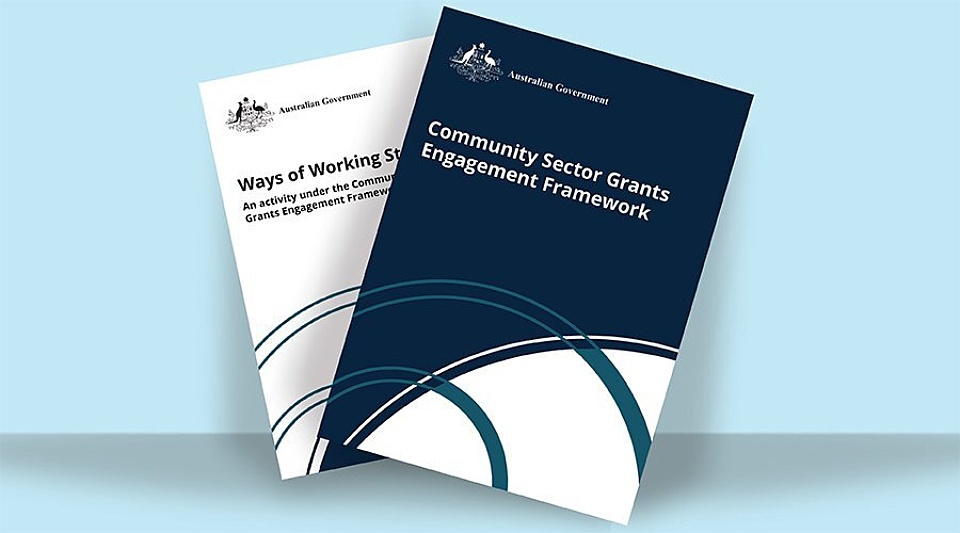
The federal government's Community Sector Grants Engagement Framework is "on track," the Department…
Posted on 25 Jun 2026
Australia’s grants administration system has centralised bureaucracy instead of expertise, creating…

Posted on 25 Jun 2026
Nine in 10 Australian social impact measurement practitioners are now using AI in their work, but…
Posted on 24 Jun 2026
More than 300 of Australia’s top social impact professionals and leaders will gather in Sydney on…

Posted on 03 Jun 2026
A new report has found that ongoing financial, workforce and governance pressures mean the…
Posted on 20 May 2026
The Australian National Audit Office (ANAO) has released a new report in its Audit Lessons series,…
Posted on 20 May 2026
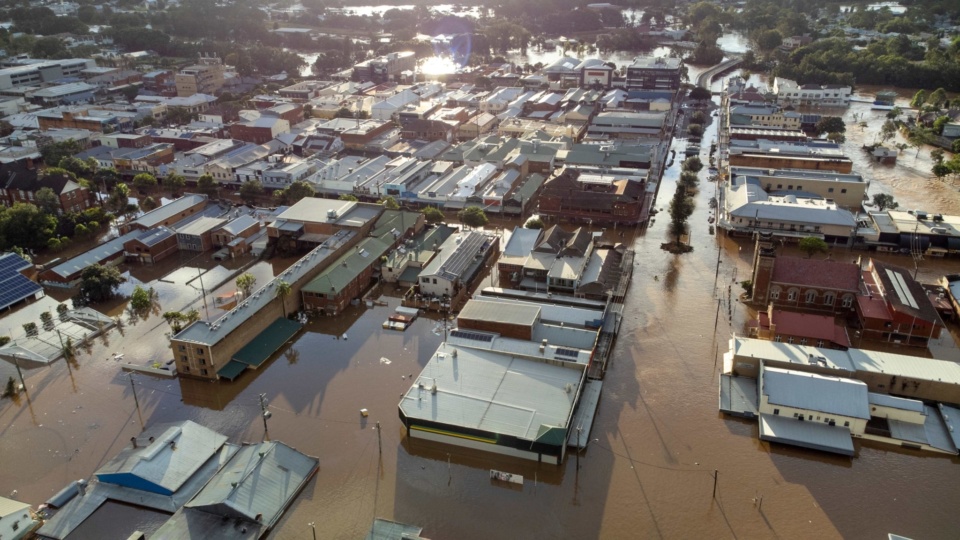
The NSW government's administration of a flood recovery grants program has largely met requirements…
Posted on 07 May 2026
A Tasmanian parliamentary inquiry has heard new evidence that the state's Department of Health has…

Posted on 07 May 2026
A fast-growing region of New Zealand – home to the world’s best adventure tourism, awe-inspiring…
Posted on 07 May 2026
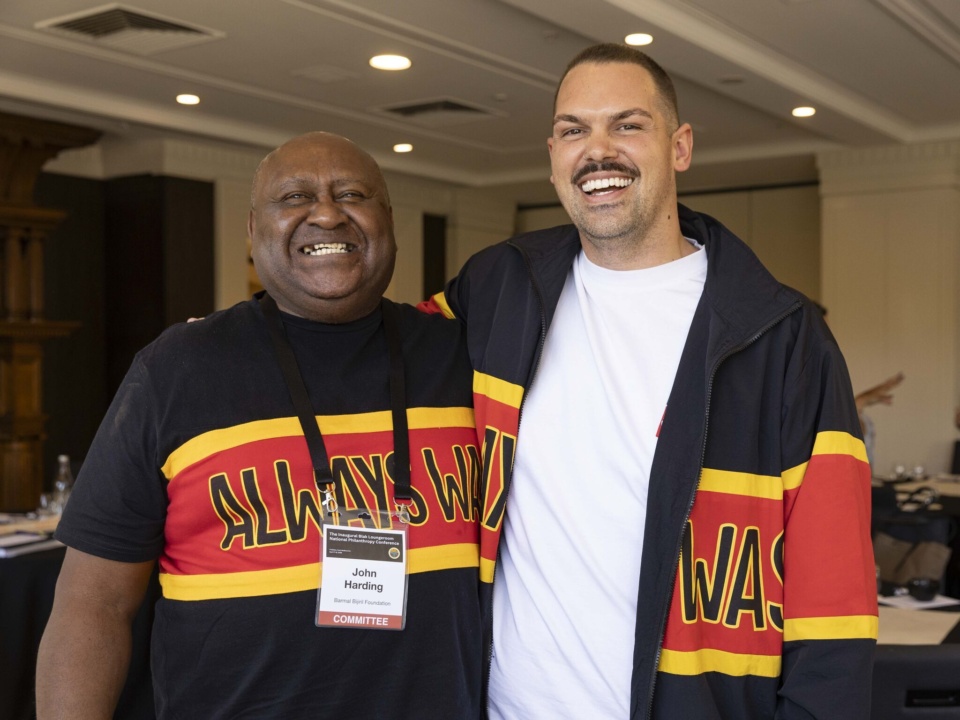
Organisers of Blak Loungeroom, a historic Indigenous-led philanthropy conference held in Melbourne…