
Same failures, different decade: white paper calls for new tactics to prevent grantmaking mistakes
Posted on 03 Aug 2026
A decade of Australian auditor-general reports shows grantmakers and decision makers repeatedly…
Posted on 24 Sep 2024
By Kathy Richardson, executive director, Our Community

Grantmaking is undergoing a seismic shift. Recent global events – from shocks like the covid pandemic, social movements like Black Lives Matter and #MeToo, and growing issues such as reproductive rights and climate justice – have sparked a transformation of the way grantmaking operates.
But equally important has been technological change. AI and data science offer new opportunities, while also bringing significant risks.
We need to bring together both these trends – the impact of social movements and the leaps in technological progress – to create a more unified approach to embracing change and innovation in grantmaking.
At SmartyGrants, we think the way to make this happen is to focus on human-centred design and measuring what really matters.

The covid-19 pandemic forced grantmaking organisations of all sizes and types to adapt rapidly: adopting remote work, making decisions far more quickly, and offering more flexible funding. These changes honed and highlighted the ability of funders to seize the moment and embrace new ways of working.
At the same time, the importance of centring the grantee experience has been thrown into stark relief by unprecedented demand for funding from many sectors – health, mental health, humanitarian aid, even the arts and culture.
Centring the grantee experience involves understanding and addressing the unique challenges faced by grant recipients, and ensuring that funding practices are inclusive and equitable.
The call for flexible funding and the radical idea of dismantling traditional philanthropic structures to address past injustices and empower communities directly is also gaining traction.
This concept reflects a broader movement towards trust-based philanthropy, where power dynamics are rebalanced, and communities are entrusted with more autonomy over their resources.
In our co-written white paper on unrestricted funding, we write that unrestricted funding can help recipients become more sustainable, more agile and more innovative. Ultimately this can deliver better outcomes for the funder and the communities being served.
This shift is equally relevant for government grantmaking, where devolving funding, empowering local communities and fostering participation can enhance the effectiveness and sustainability of funded initiatives.
"A big challenge in grantmaking is the lack of standardisation and interoperability in data management."

Data has become a cornerstone of effective grantmaking. However, many funders are yet to understand the opportunities brought by data science and artificial intelligence.
There are many potential applications, including:
With opportunity, however, comes risk. Funders and those they fund (whether civil society organisations, businesses or people seeking support in a crisis) often handle (or hand over) sensitive data. To prevent its misuse, robust security and an ethical framework are essential.
SmartyGrants, the Australian-born grantmaking software that I’m currently helping to roll out across the UK, focuses on ensuring funders don’t miss out on the opportunities presented by new technology, while also addressing algorithmic bias and safeguarding data privacy.
While technology offers powerful tools for grantmakers, it is not a panacea and it cannot be developed in an isolated laboratory. At SmartyGrants, we use human-centred design principles to engage grantees and funders in the design process when we create new features.
This helps ensure our tools don’t just solve the problems of the people paying the bill but also work for our clients’ clients – the people doing the work at the pointy end of changing the world.
A big challenge in grantmaking is the lack of standardisation and interoperability in data management. Meeting this challenge has been a key focus for SmartyGrants, with the development of features such as standard fields, template forms, template reports and the Outcomes Engine – a free add-on that helps bring order to the chaos of tracking and reporting impact.
The concept of ‘input once, use often’ is gaining momentum among grantmakers, and at SmartyGrants we advocate for the reuse of data across multiple platforms and stakeholders.
This approach not only enables funders to work more efficiently but also fosters collaboration and transparency within the sector.
Achieving this requires overcoming legal and institutional obstacles. But it also involves shifting people’s mindsets. Embracing a collaborative and open approach to data governance remains uncharted territory to many in the field.
The UK’s groundbreaking 360Giving movement is one data initiative proving that these things can happen, and that they can transform grantmaking and its beneficiaries.

One of the most significant recent shifts in grantmaking is the move towards outcomes-focused practice. This involves no longer merely tracking the distribution of funds and the completion of activities, but understanding the real-world impact of those activities.
For both foundation and government grantmakers, this shift presents a substantial challenge but also an immense opportunity to wring more positive change from every grant.
Outcomes-focused grantmaking requires a clear definition of success and the establishment of measures of progress toward those goals.
For instance, a government grant program aimed at improving employment opportunities for young people might not only track the number of participants in job training programs but also measure the number of participants who secure and retain employment over time.
This approach provides a more accurate picture of the programme’s impact and allows for data-driven adjustments to improve outcomes.
The move to outcomes-focused grantmaking involves overcoming several obstacles. Grantmakers need to write an evaluation framework, find money for data collection and analysis, and foster a culture that values learning and adaptation.
Initiatives such as SmartyGrants’ Outcomes Engine demonstrate how technology can support this shift by integrating outcomes measurement into the grant management process, but the mental shift is the main hurdle.
The world faces myriad pressing challenges, from poverty and inequality to climate change and public health. Raising more money for social reform is not the only answer. The key is using existing funds more effectively.
Tools like SmartyGrants can certainly help, but funders must be at the centre of the shift.
Kathy Richardson is executive director of Our Community, a social enterprise that has grants in its DNA.
This article was first published as a blog by New Philanthropy Capital (NPC). Read the original here.
Posted on 03 Aug 2026
A decade of Australian auditor-general reports shows grantmakers and decision makers repeatedly…
Posted on 25 Jun 2026
Australia distributes an estimated $125 billion in grants annually, but grantmaking, unlike…
Posted on 25 Jun 2026
The federal government's Community Sector Grants Engagement Framework is "on track," the Department…
Posted on 25 Jun 2026
Australia’s grants administration system has centralised bureaucracy instead of expertise, creating…

Posted on 25 Jun 2026
Nine in 10 Australian social impact measurement practitioners are now using AI in their work, but…
Posted on 24 Jun 2026
More than 300 of Australia’s top social impact professionals and leaders will gather in Sydney on…

Posted on 03 Jun 2026
A new report has found that ongoing financial, workforce and governance pressures mean the…
Posted on 20 May 2026
The Australian National Audit Office (ANAO) has released a new report in its Audit Lessons series,…
Posted on 20 May 2026
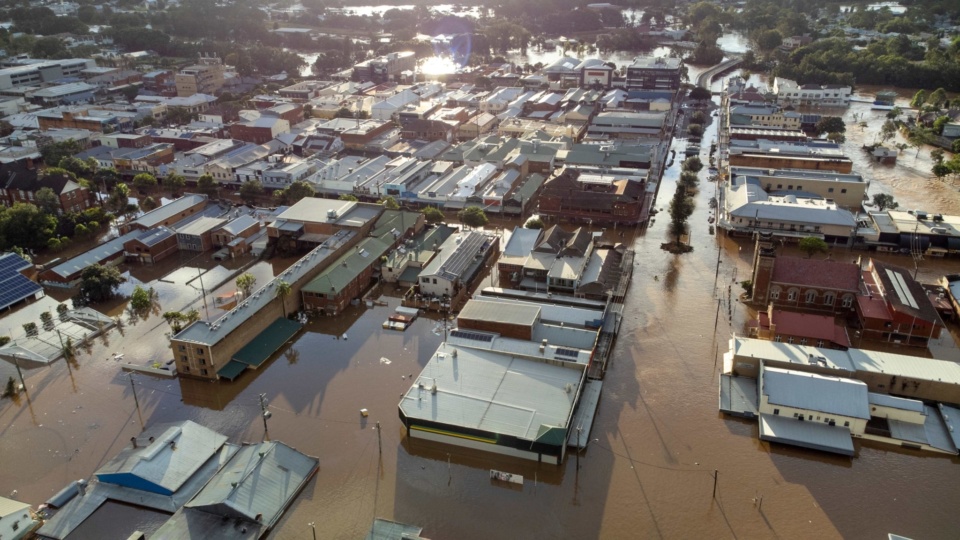
The NSW government's administration of a flood recovery grants program has largely met requirements…
Posted on 07 May 2026
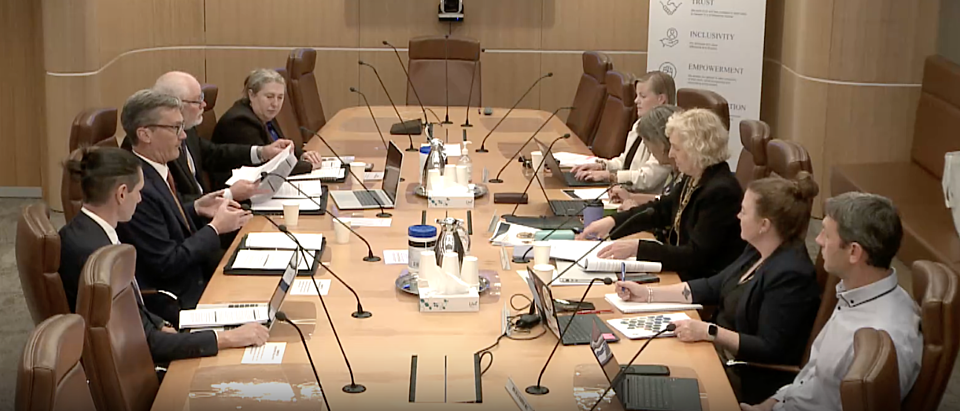
A Tasmanian parliamentary inquiry has heard new evidence that the state's Department of Health has…

Posted on 07 May 2026
A fast-growing region of New Zealand – home to the world’s best adventure tourism, awe-inspiring…
Posted on 07 May 2026
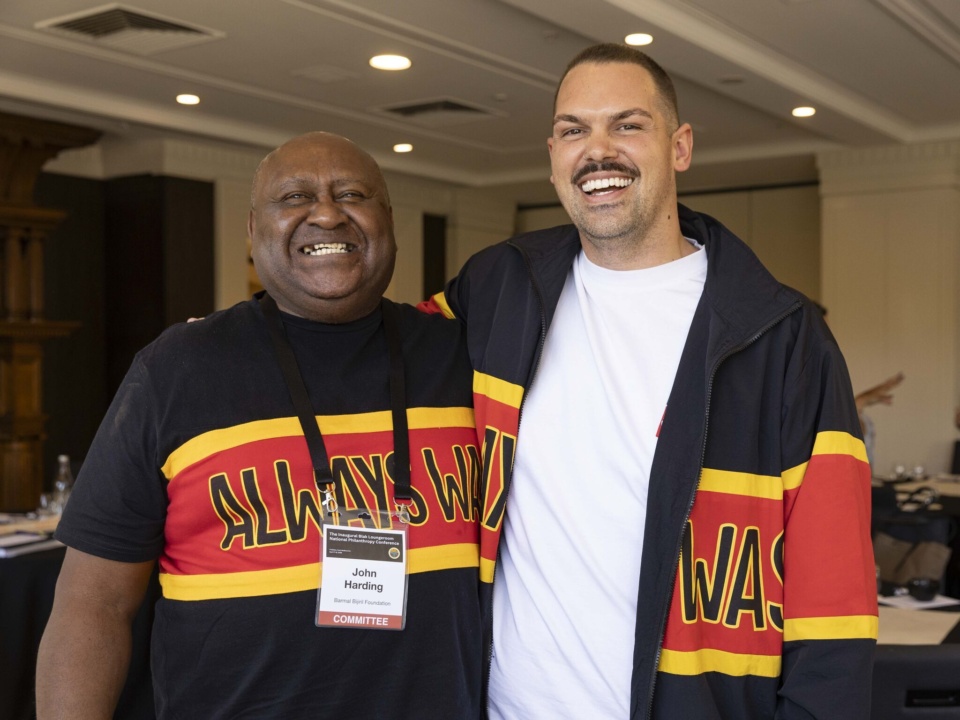
Organisers of Blak Loungeroom, a historic Indigenous-led philanthropy conference held in Melbourne…