
Same failures, different decade: white paper calls for new tactics to prevent grantmaking mistakes
Posted on 03 Aug 2026
A decade of Australian auditor-general reports shows grantmakers and decision makers repeatedly…
Posted on 20 May 2026
By Matthew Schulz, journalist, Institute of Grants Management
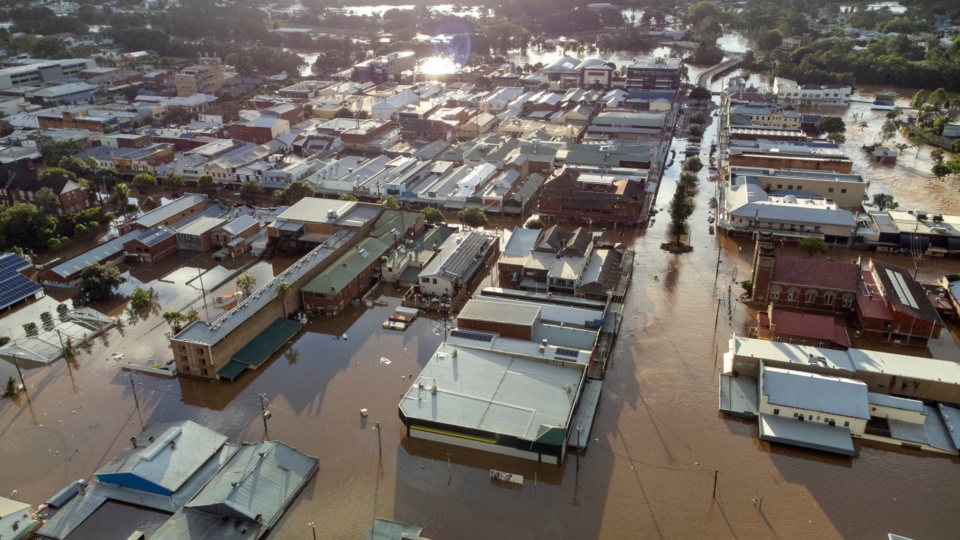
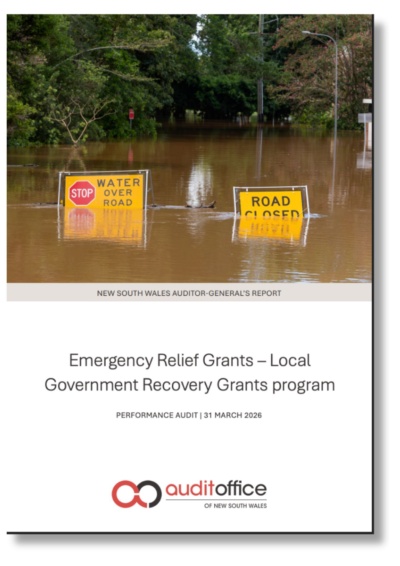
The NSW government's administration of a flood recovery grants program has largely met requirements but has left gaps in documentation of fraud controls, conflict of interest processes and performance monitoring, an audit has found.
The audit, tabled in the NSW Parliament on March 31, was conducted by Auditor-General Bola Oyetunji at the request of Special Minister of State John Graham, who asked for recurring performance reviews of emergency relief grants.
The Office of Local Government (OLG) administered a $46 million program providing grants of up to $1 million to each of 45 councils across regional NSW, to aid recovery from flooding in August and September 2022.
Funding was provided by the state and Commonwealth governments equally under Disaster Recovery Funding Arrangements and was designed to provide streamlined, flexible and immediate support for local economic and social recovery.
But the audit found the OLG had not documented "fraud controls nor processes to manage conflicts of interest" and had failed to demonstrate whether funded activities were achieving the program's objectives.
Key findings:
The audit recommended that by June 2026 the OLG should:
All four recommendations were accepted, three by the department alone, and one jointly with the Reconstruction Authority.
Posted on 03 Aug 2026
A decade of Australian auditor-general reports shows grantmakers and decision makers repeatedly…
Posted on 25 Jun 2026
Australia distributes an estimated $125 billion in grants annually, but grantmaking, unlike…
Posted on 25 Jun 2026
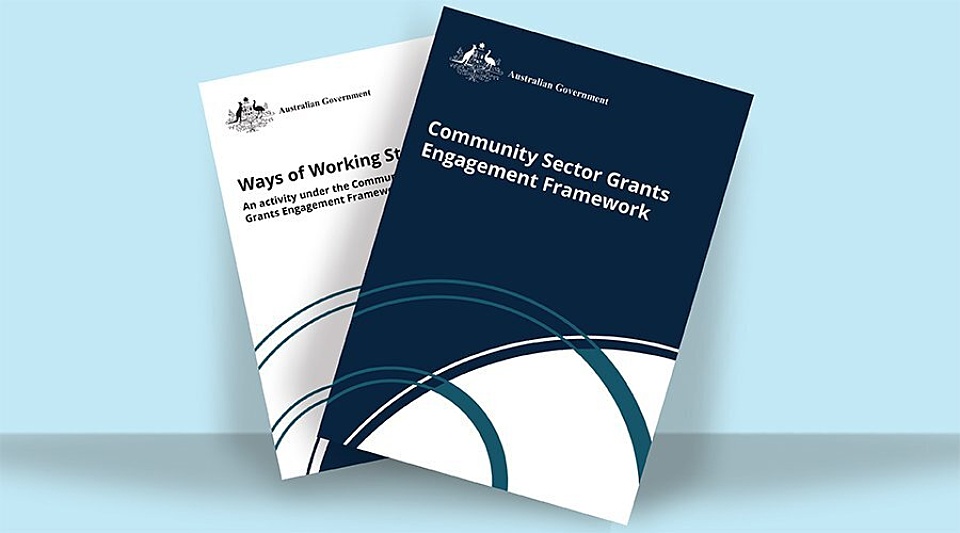
The federal government's Community Sector Grants Engagement Framework is "on track," the Department…

Posted on 25 Jun 2026
Australia’s grants administration system has centralised bureaucracy instead of expertise, creating…

Posted on 25 Jun 2026
Nine in 10 Australian social impact measurement practitioners are now using AI in their work, but…

Posted on 24 Jun 2026
More than 300 of Australia’s top social impact professionals and leaders will gather in Sydney on…

Posted on 03 Jun 2026
A new report has found that ongoing financial, workforce and governance pressures mean the…
Posted on 20 May 2026
The Australian National Audit Office (ANAO) has released a new report in its Audit Lessons series,…
Posted on 20 May 2026
The NSW government's administration of a flood recovery grants program has largely met requirements…
Posted on 07 May 2026
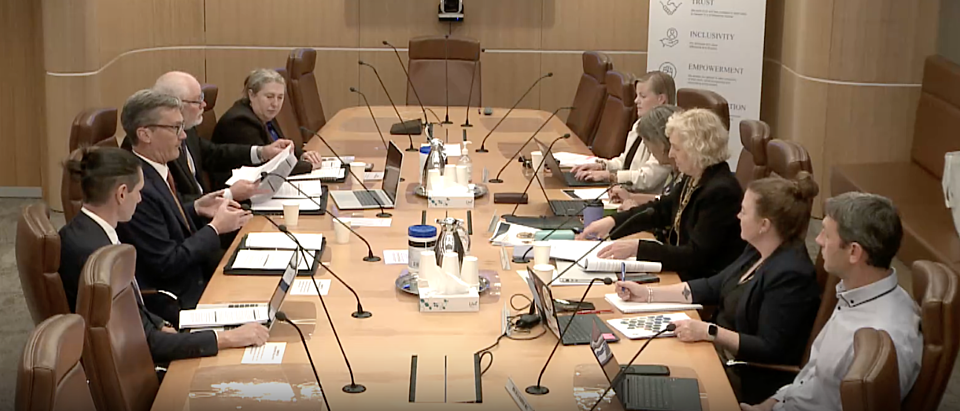
A Tasmanian parliamentary inquiry has heard new evidence that the state's Department of Health has…

Posted on 07 May 2026
A fast-growing region of New Zealand – home to the world’s best adventure tourism, awe-inspiring…
Posted on 07 May 2026
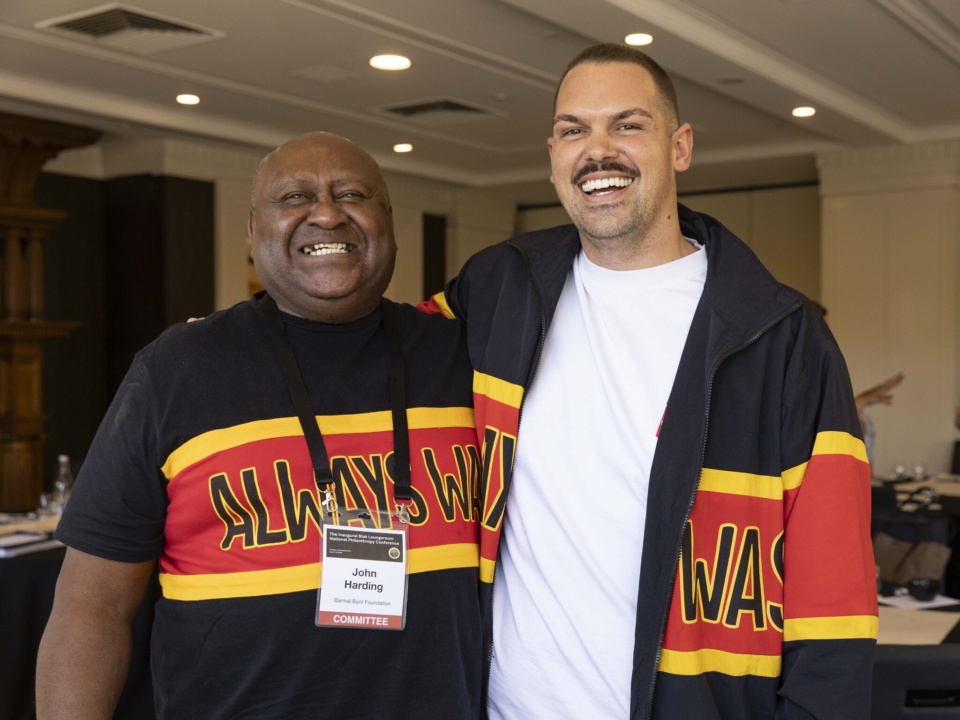
Organisers of Blak Loungeroom, a historic Indigenous-led philanthropy conference held in Melbourne…