
Same failures, different decade: white paper calls for new tactics to prevent grantmaking mistakes
Posted on 03 Aug 2026
A decade of Australian auditor-general reports shows grantmakers and decision makers repeatedly…
Posted on 24 Mar 2026
By Matthew Schulz, journalist, Institute of Grants Management

Weak conflict-of-interest controls in council grant allocations are exposing public funding decisions to governance risks, an audit of Queensland local governments has found.
The Queensland Audit Office’s (QAO’s) Local Government 2025 report found “significant deficiencies in some council processes for managing conflicts of interest”, with risks extending to “key decision making, procurement activity, [and] grant allocations”.
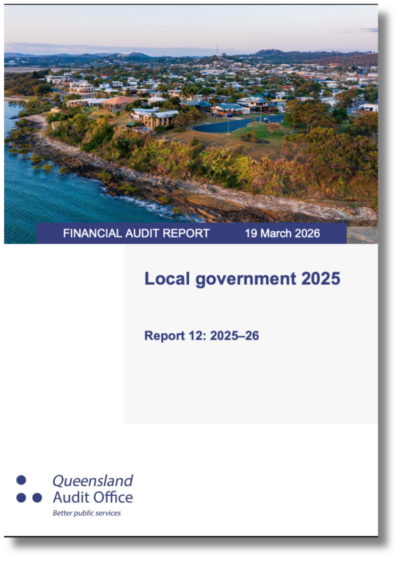
The QAO tabled the report in state parliament in March as part of its annual financial audit across the local government sector.
Auditors warned that conflicts of interest – including financial relationships and personal connections – can “impact, or appear to impact, judgments while performing council work”.
The report says councils must have “appropriate processes to ensure that conflicts of interest are declared and managed” for the sake of transparency and accountability.
Deficiencies in these processes increase the risk that councils cannot demonstrate that funding decisions are free from undue influence.
The audit also identifies broader governance gaps including “missing, incomplete and untimely declarations related to conflicts of interest” and a “lack of compliance with laws and regulations”.
It says properly managing conflicts of interest “builds trust and manages the risk of any perceived wrongdoing”.
The report outlines measures to strengthen conflict-of-interest controls, centred on clearer policies, training and oversight.
It recommends councils maintain tailored policies, codes of conduct and regular training, alongside “registers of interests and conflict of interest declarations” that are kept up to date, particularly in high-risk areas.
Auditors also call for “appropriate risk treatment plans and ongoing monitoring”, and procedures to manage conflicts when they arise, including restricting participation in decision-making.
Posted on 03 Aug 2026
A decade of Australian auditor-general reports shows grantmakers and decision makers repeatedly…
Posted on 25 Jun 2026
Australia distributes an estimated $125 billion in grants annually, but grantmaking, unlike…
Posted on 25 Jun 2026
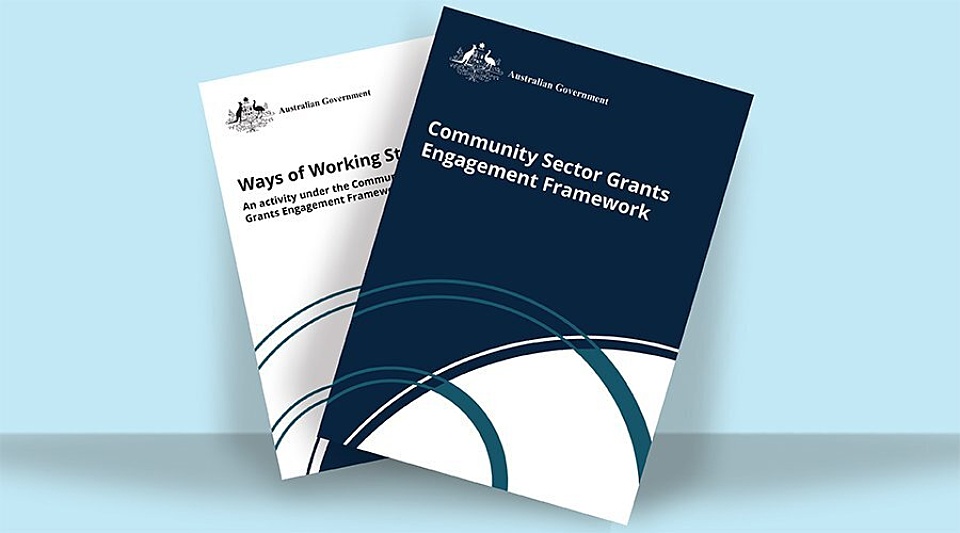
The federal government's Community Sector Grants Engagement Framework is "on track," the Department…

Posted on 25 Jun 2026
Australia’s grants administration system has centralised bureaucracy instead of expertise, creating…

Posted on 25 Jun 2026
Nine in 10 Australian social impact measurement practitioners are now using AI in their work, but…

Posted on 24 Jun 2026
More than 300 of Australia’s top social impact professionals and leaders will gather in Sydney on…

Posted on 03 Jun 2026
A new report has found that ongoing financial, workforce and governance pressures mean the…
Posted on 20 May 2026
The Australian National Audit Office (ANAO) has released a new report in its Audit Lessons series,…
Posted on 20 May 2026
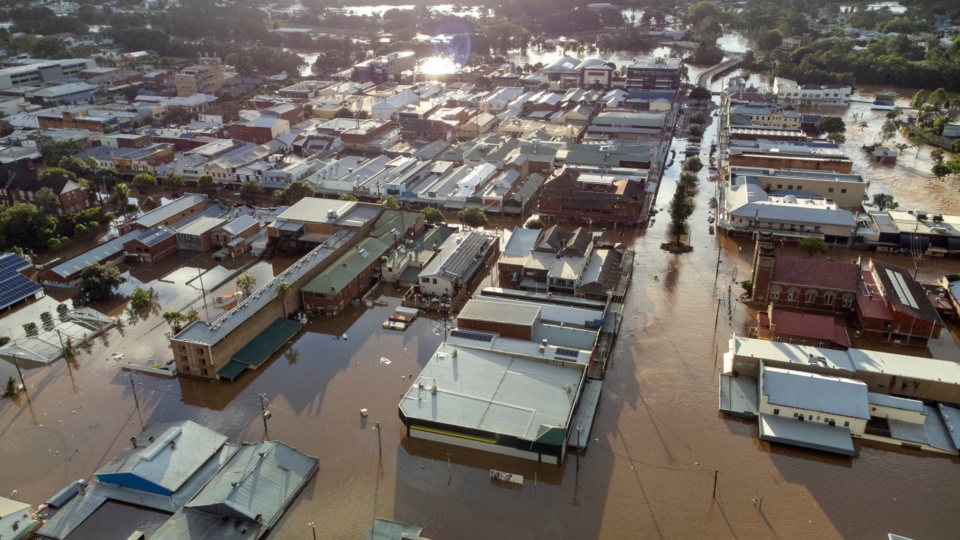
The NSW government's administration of a flood recovery grants program has largely met requirements…
Posted on 07 May 2026
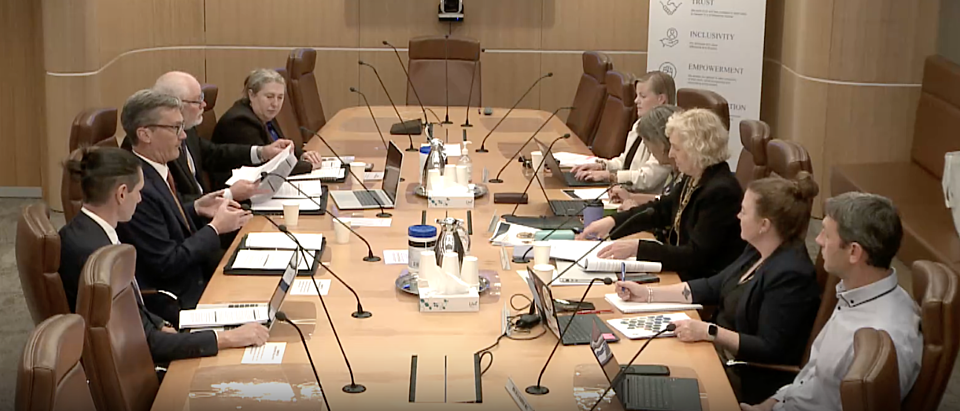
A Tasmanian parliamentary inquiry has heard new evidence that the state's Department of Health has…

Posted on 07 May 2026
A fast-growing region of New Zealand – home to the world’s best adventure tourism, awe-inspiring…
Posted on 07 May 2026
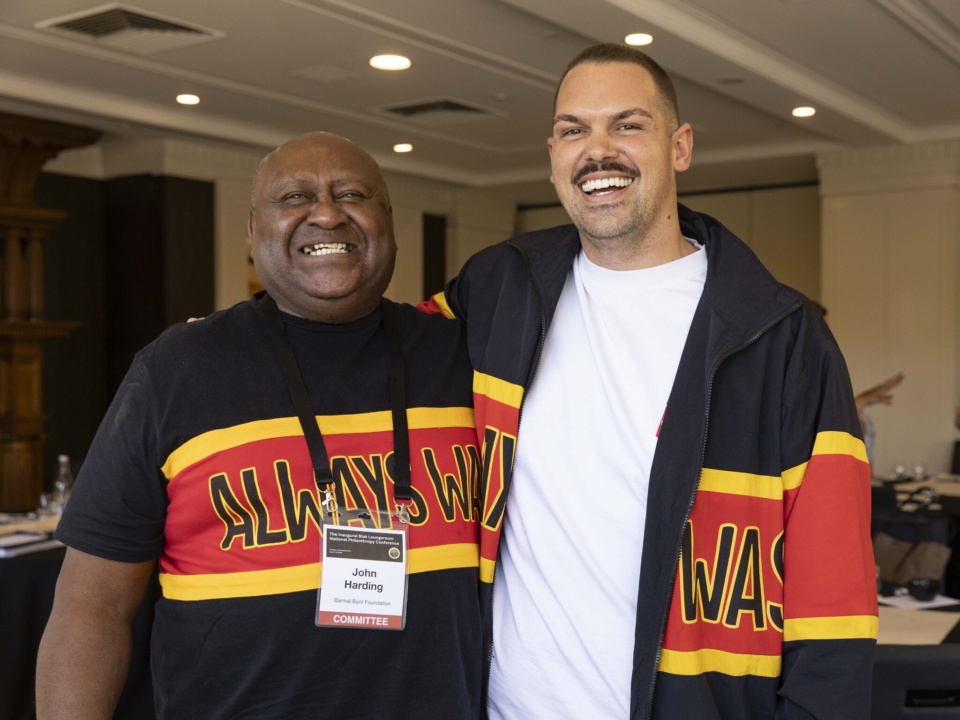
Organisers of Blak Loungeroom, a historic Indigenous-led philanthropy conference held in Melbourne…