
Same failures, different decade: white paper calls for new tactics to prevent grantmaking mistakes
Posted on 03 Aug 2026
A decade of Australian auditor-general reports shows grantmakers and decision makers repeatedly…
Posted on 20 May 2026
By Matthew Schulz, journalist, Institute of Grants Management

The Australian National Audit Office (ANAO) has released a new report in its Audit Lessons series, drawing on four performance audits to identify where Commonwealth entities are falling short on fraud and corruption control.
The 23-page Fraud and Corruption Control Arrangements is aimed at Australian government officials responsible for fraud and corruption control, including those involved in grants administration and program delivery.
The publication distils findings into seven lessons linked to self-assessments and case studies:
One case study involving grants looks at the Indigenous Australians' Health Programme, the federal government's largest direct expenditure program involving Indigenous primary healthcare. Auditors found that fraud matters were not consistently recorded in the case management system, and that the system did not classify matters by division or program, despite it being a stated responsibility of divisional managers.
A recurring finding was the gap between policy and practice, with the resource citing the Australian Institute of Criminology's annual census on fraud against Commonwealth entities – it noted that nearly one third of respondents had not tested the effectiveness of their fraud controls within the last two years.
The ANAO stressed that simply updating documents to include the word "corruption", as required under updated Commonwealth fraud and corruption controls, fell short of what was really needed. Instead, entities must consider how corrupt conduct could occur in their organisations and consider whether risk assessments, training and internal policies needed to be revisisted.
The publication suggests grants administrators should be familiar with the Commonwealth Fraud Prevention Centre's Grants Administration Counter Fraud Toolkit, which covers how to prevent, detect and respond to fraud across the grants lifecycle – from application and assessment through to acquittal.
Read the ANAO's Fraud and Corruption Control Arrangements Insights publication
Posted on 03 Aug 2026
A decade of Australian auditor-general reports shows grantmakers and decision makers repeatedly…

Posted on 25 Jun 2026
Australia distributes an estimated $125 billion in grants annually, but grantmaking, unlike…
Posted on 25 Jun 2026
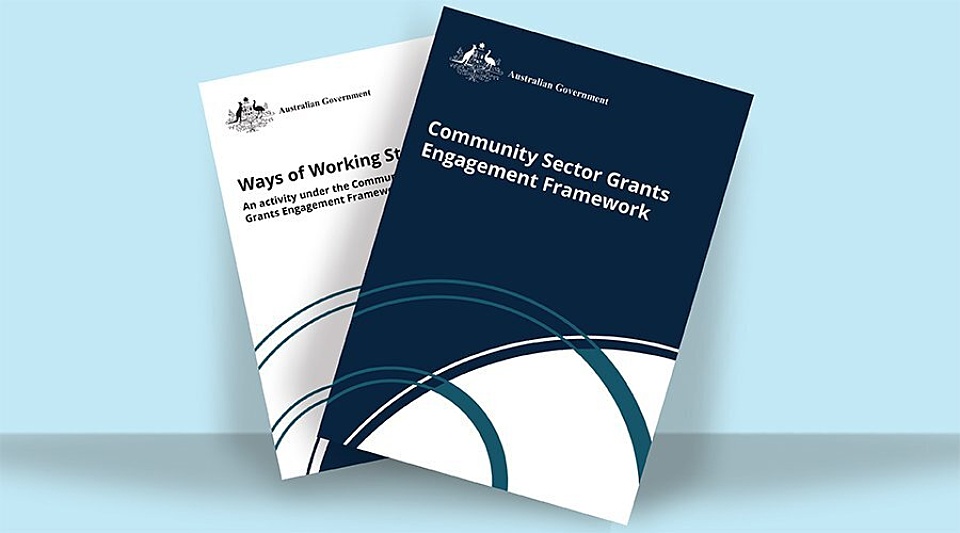
The federal government's Community Sector Grants Engagement Framework is "on track," the Department…

Posted on 25 Jun 2026
Australia’s grants administration system has centralised bureaucracy instead of expertise, creating…

Posted on 25 Jun 2026
Nine in 10 Australian social impact measurement practitioners are now using AI in their work, but…

Posted on 24 Jun 2026
More than 300 of Australia’s top social impact professionals and leaders will gather in Sydney on…

Posted on 03 Jun 2026
A new report has found that ongoing financial, workforce and governance pressures mean the…

Posted on 20 May 2026
The Australian National Audit Office (ANAO) has released a new report in its Audit Lessons series,…

Posted on 20 May 2026
The NSW government's administration of a flood recovery grants program has largely met requirements…
Posted on 07 May 2026
A Tasmanian parliamentary inquiry has heard new evidence that the state's Department of Health has…

Posted on 07 May 2026
A fast-growing region of New Zealand – home to the world’s best adventure tourism, awe-inspiring…

Posted on 07 May 2026
Organisers of Blak Loungeroom, a historic Indigenous-led philanthropy conference held in Melbourne…