
Same failures, different decade: white paper calls for new tactics to prevent grantmaking mistakes
Posted on 03 Aug 2026
A decade of Australian auditor-general reports shows grantmakers and decision makers repeatedly…
Posted on 07 May 2026
By Matthew Schulz, journalist, Institute of Grants Management
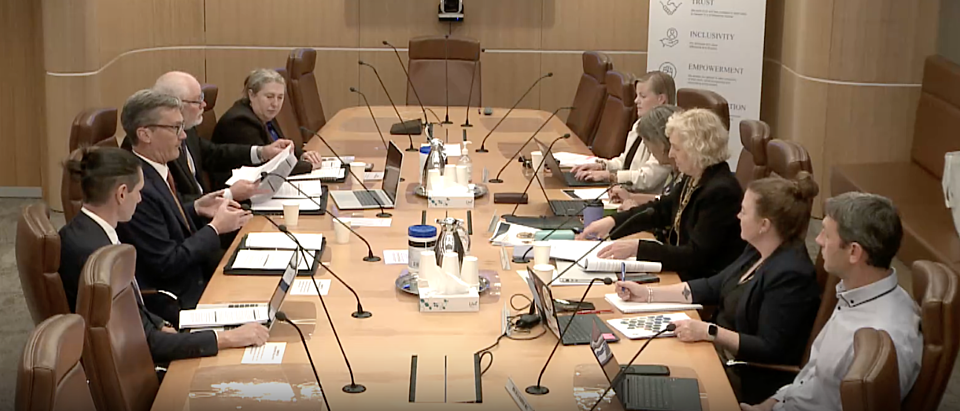
A Tasmanian parliamentary inquiry has heard new evidence that the state's Department of Health has failed to act on warnings about its grants administration since at least 2009.
Nearly a year after a formal audit found the department’s management of community service funding "fundamentally flawed," the department's governance committee is tracking 175 unresolved audit recommendations across the organisation, including recommendations the audit identified for fixing the grants program.
The figures emerged in April hearings of the Legislative Council's Government Administration Committee A, which is examining the financial and operational performance of the health department.
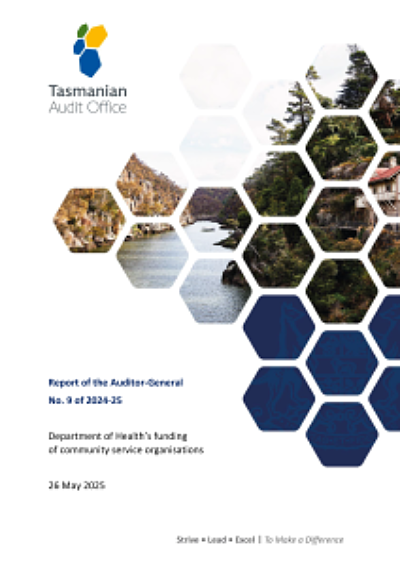
The inquiry referred to a May 2025 audit report by Auditor-General Martin Thompson that found systemic failures in the way Health administered about $75 million worth of annual grants to community service organisations. These are the non-government bodies delivering health, mental health, alcohol and drug, and community care services across Tasmania under funding arrangements with the government.
The audit examined 16 individual funding arrangements from the financial year 2022–23 in depth, as a sample of a program covering 115 organisations.
It found that Health:
"I think at one stage there were around 12 people who were involved in administering, evaluating, assessing the grants ... that number dropped down to two."
One community service organisation (CSO) had submitted a performance report with all fields left blank and was never questioned.
The report traced part of the problem to a structural collapse in oversight capacity.
Up to 2018, a central unit managed CSO grants across the department before successive restructures removed that function.
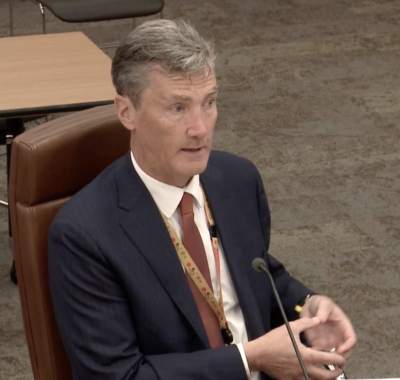
Thompson told the inquiry, "I think at one stage there were around 12 people who were involved in administering, evaluating, assessing the grants. Through a number of machinery [of] government changes and reorganisations, that number dropped down to two."
The misclassification of grants and procurement was a related problem. Health used grant agreements as its default funding method, but a Crown Solicitor legal opinion found that a significant proportion of the department’s service delivery arrangements had been structured as grants when they should have been run as procurement contracts, with tighter legal requirements.
Health claimed in its audit response that it had sought guidance from Treasury on the grants-versus-procurement distinction and that clarity had not been provided, but the audit noted that Treasury "did not have a record of this request for advice."
Treasury Secretary Gary Swain reiterated this before the committee in April, adding that Treasury had since updated and reissued its grants and procurement guidelines and written to all agency secretaries in January 2026 drawing their attention to the changes.
The audit made two formal recommendations, namely that:
Health accepted both recommendations and committed to achieving them by May 2027.
Thompson confirmed at the March 2026 hearing that his office had begun tracking implementation and would report to Parliament on its status later this year, highlighting greater scrutiny of the department.
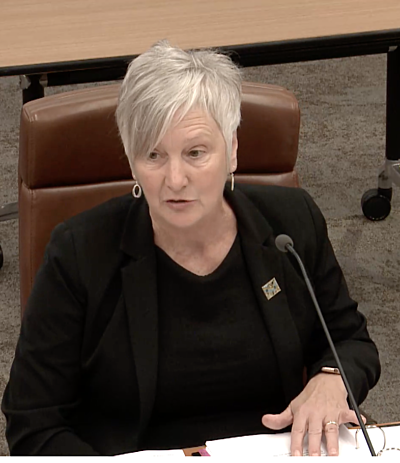
The department’s Audit and Risk Committee chair, Yvonne Rundle – speaking under Parliamentary privilege – told the April hearing that 175 audit recommendations remained open across the department as of March 2026, some dating back more than five years, and that recommendations were still frequently not being assigned to named individuals with clear accountability.
Those recommendations include the audit recommendations on procurement and contract management that the CSO audit identified as prerequisites for fixing the grants program.
"By not responding to the open audit actions," Rundle told the committee, "the various areas are saying they are happy to continue to carry this risk."
Thompson's follow-up report to Parliament, expected later in 2026, will show whether Health's professed commitment to the recommendations has translated into action.
More about the Parliamentary inquiry into Health | Read the May 2025 Audit Office report into CSO funding
Posted on 03 Aug 2026
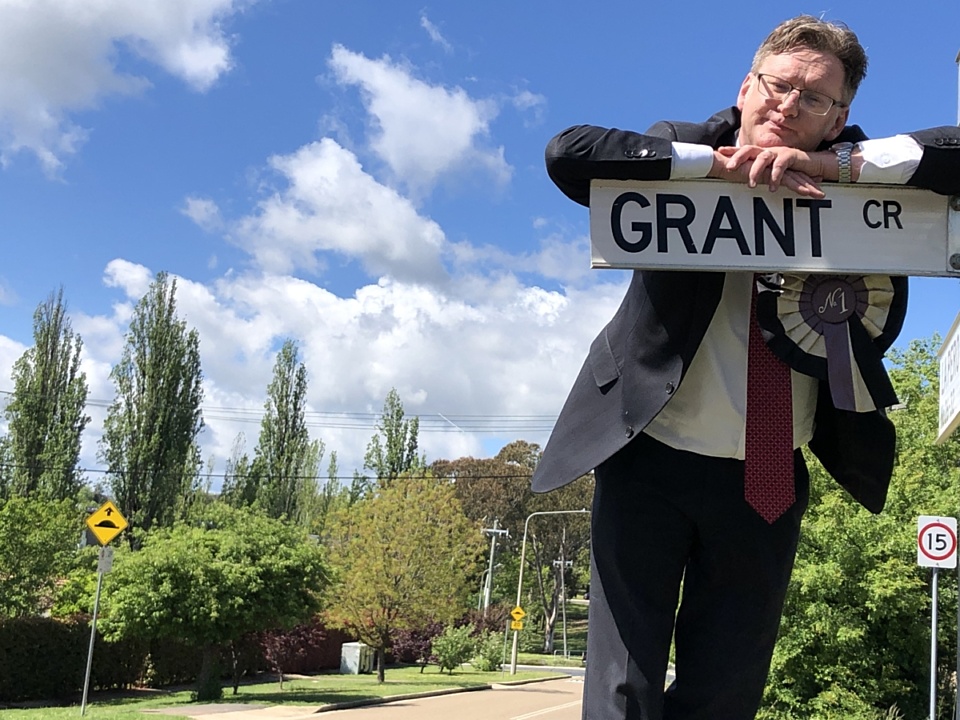
A decade of Australian auditor-general reports shows grantmakers and decision makers repeatedly…
Posted on 25 Jun 2026
Australia distributes an estimated $125 billion in grants annually, but grantmaking, unlike…
Posted on 25 Jun 2026
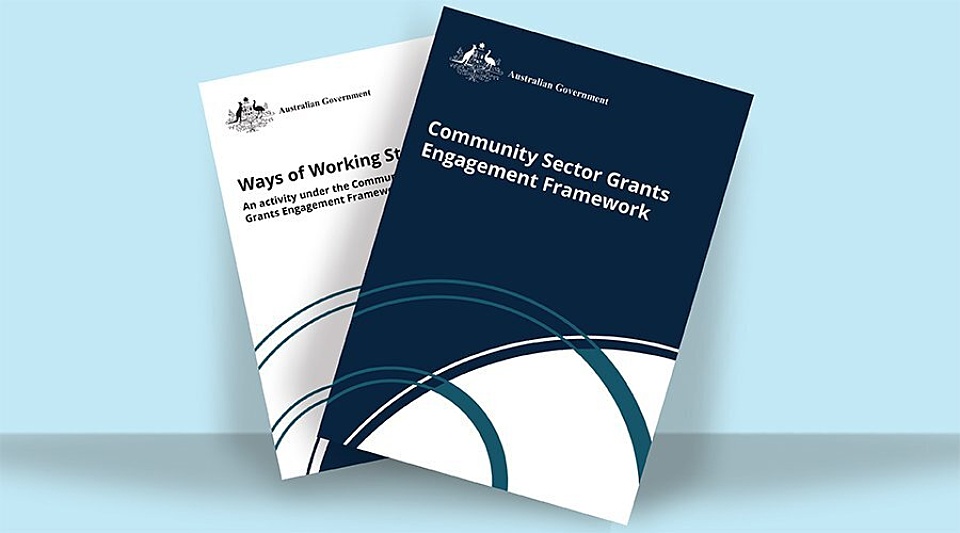
The federal government's Community Sector Grants Engagement Framework is "on track," the Department…

Posted on 25 Jun 2026
Australia’s grants administration system has centralised bureaucracy instead of expertise, creating…

Posted on 25 Jun 2026
Nine in 10 Australian social impact measurement practitioners are now using AI in their work, but…

Posted on 24 Jun 2026
More than 300 of Australia’s top social impact professionals and leaders will gather in Sydney on…

Posted on 03 Jun 2026
A new report has found that ongoing financial, workforce and governance pressures mean the…

Posted on 20 May 2026
The Australian National Audit Office (ANAO) has released a new report in its Audit Lessons series,…
Posted on 20 May 2026
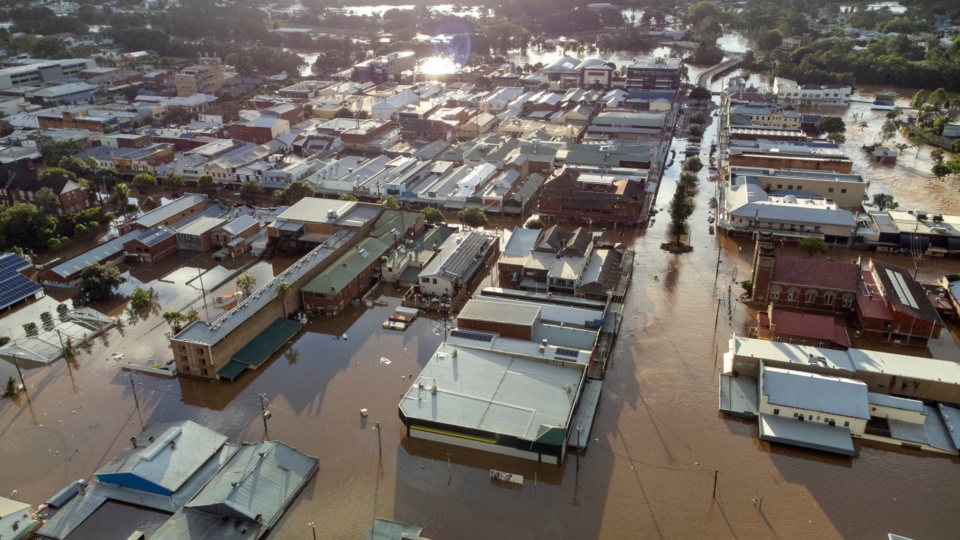
The NSW government's administration of a flood recovery grants program has largely met requirements…
Posted on 07 May 2026
A Tasmanian parliamentary inquiry has heard new evidence that the state's Department of Health has…

Posted on 07 May 2026
A fast-growing region of New Zealand – home to the world’s best adventure tourism, awe-inspiring…
Posted on 07 May 2026
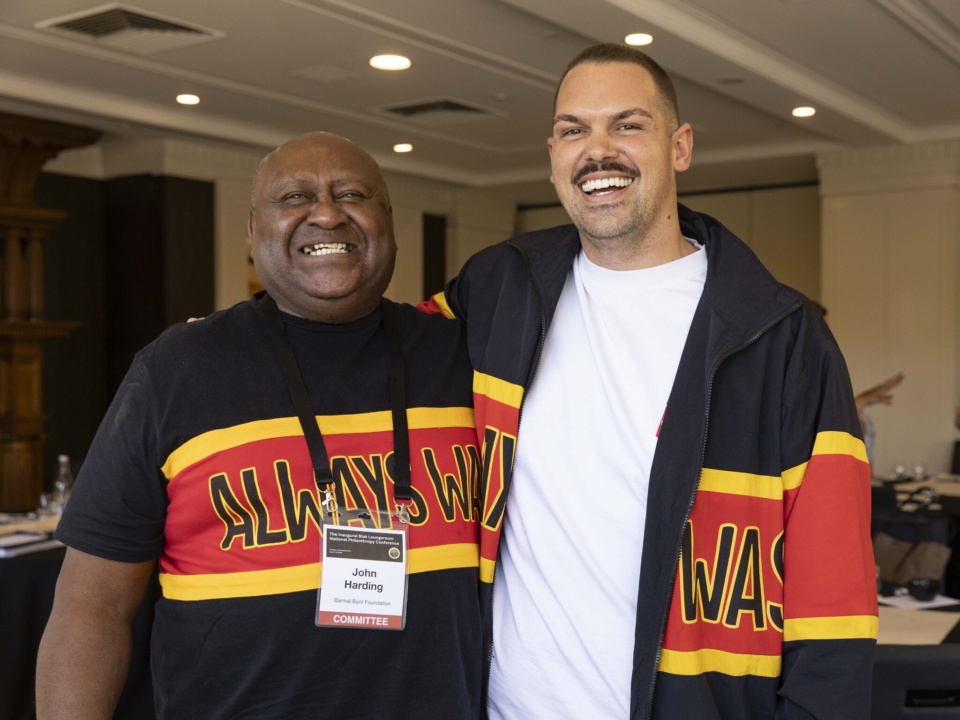
Organisers of Blak Loungeroom, a historic Indigenous-led philanthropy conference held in Melbourne…