
Same failures, different decade: white paper calls for new tactics to prevent grantmaking mistakes
Posted on 03 Aug 2026
A decade of Australian auditor-general reports shows grantmakers and decision makers repeatedly…
Posted on 24 Mar 2026
By Matthew Schulz, journalist, Institute of Grants Management

SmartyGrants is increasing its use of artificial intelligence (AI) and has outlined a strategy to improve grantmaking while maintaining strong safeguards around data, governance and accountability.

As artificial intelligence reshapes the way grants are managed, SmartyGrants has committed to adopting the technology in a way that is ethical and secure and boosts the effectiveness of grantmakers.
Group managing director Denis Moriarty said the organisation was adopting AI tools in a strategic way that preserved the integrity of client data and in response to growing calls from governments and other users for AI-powered tools that could be trusted and integrated into existing systems.
He said the organisation’s new AI strategy was focused on areas where AI could “solve real problems for clients”. The strategy was being refined by a team of data scientists, specialist developers and experienced grantmakers familiar with government and corporate processes.
The strategy builds on existing work by SmartyGrants and its related Our Community group of social enterprises, all of which work with the community, government and philanthropic sectors.
For example, the Funding Centre grants database – part of the Our Community group – last year rolled out the Drafter AI tool, which helps not-for-profits apply for grants. The system is tailored for grantseekers by experts in the field, and all of its data is held in Australia.
Unlike general-purpose AI chatbots, Drafter draws only on the information supplied by applicants. It applies best-practice grantwriting principles to generate draft applications ready for polishing by humans.
SmartyGrants’ CLASSIEfier – a machine-learning tool that classifies grants and related records according to the CLASSIE taxonomy – been employed by the Australian Charities and Not-for-profits Commission’s (ACNC’s) official charity register since 2022.

“We’ve seen some of the world’s biggest tech companies lay off developers in this rush to adopt artificial intelligence. We think that’s a mistake because our staff are our greatest asset, and in a world of AI, it is good human judgements that will be critical.”
Moriarty said future AI tools could help grantmakers summarise complex applications or submissions, assist with assessment, identify anomalies or compliance breaches, analyse large datasets, and improve reporting and program evaluation.
“We’re here to support best-practice grantmaking, and that includes a considered rollout of artificial intelligence,” Moriarty said.
He said unlike some big tech companies that are offloading staff, SmartyGrants planned to employ more specialists to fine-tune the organisation’s artificial intelligence work as it expanded its system in the United Kingdom and Europe.
“We’ve seen some of the world’s biggest tech companies lay off developers in this rush to adopt artificial intelligence. We think that’s a mistake because our staff are our greatest asset, and in a world of AI, it is good human judgements that will be critical.”
Moriarty said with grantmaking facing high levels of scrutiny from governments, the media and independent audits, platforms must support robust governance, including fair and transparent processes.
“As AI becomes embedded in decision-support tools, maintaining clear auditability and human accountability and being able to consistently follow government and other client protocols will be vital,” Moriarty said.
“The future of artificial intelligence may be uncertain, but whatever happens, we will continue to build on our unique and trusted infrastructure, deep grantmaking expertise and strong sector relationships, which we have established not only through SmartyGrants but also through our other enterprises, such as the Institute of Community Directors Australia, GiveNow, the Funding Centre and Our Community House.”
Posted on 03 Aug 2026
A decade of Australian auditor-general reports shows grantmakers and decision makers repeatedly…

Posted on 25 Jun 2026
Australia distributes an estimated $125 billion in grants annually, but grantmaking, unlike…
Posted on 25 Jun 2026
The federal government's Community Sector Grants Engagement Framework is "on track," the Department…
Posted on 25 Jun 2026
Australia’s grants administration system has centralised bureaucracy instead of expertise, creating…

Posted on 25 Jun 2026
Nine in 10 Australian social impact measurement practitioners are now using AI in their work, but…
Posted on 24 Jun 2026
More than 300 of Australia’s top social impact professionals and leaders will gather in Sydney on…

Posted on 03 Jun 2026
A new report has found that ongoing financial, workforce and governance pressures mean the…

Posted on 20 May 2026
The Australian National Audit Office (ANAO) has released a new report in its Audit Lessons series,…
Posted on 20 May 2026
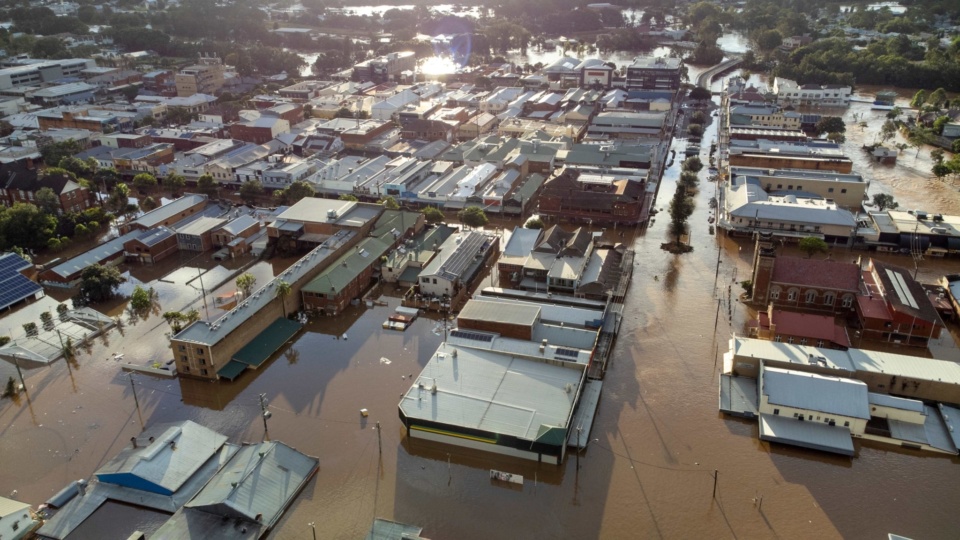
The NSW government's administration of a flood recovery grants program has largely met requirements…
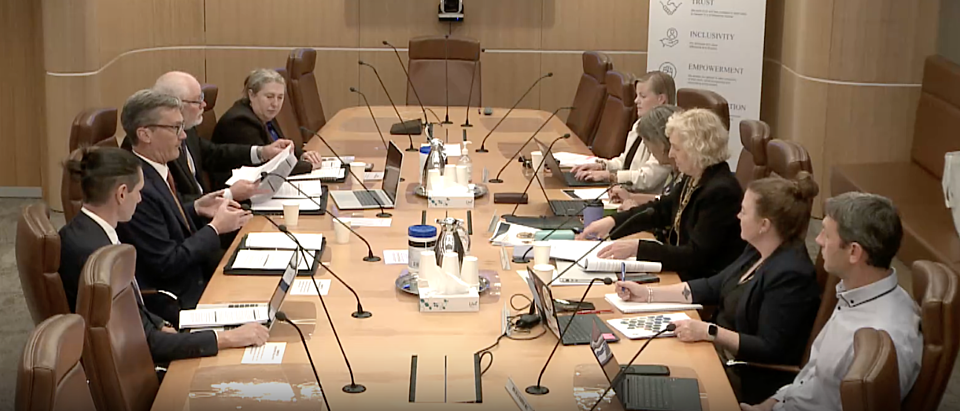
Posted on 07 May 2026
A Tasmanian parliamentary inquiry has heard new evidence that the state's Department of Health has…

Posted on 07 May 2026
A fast-growing region of New Zealand – home to the world’s best adventure tourism, awe-inspiring…
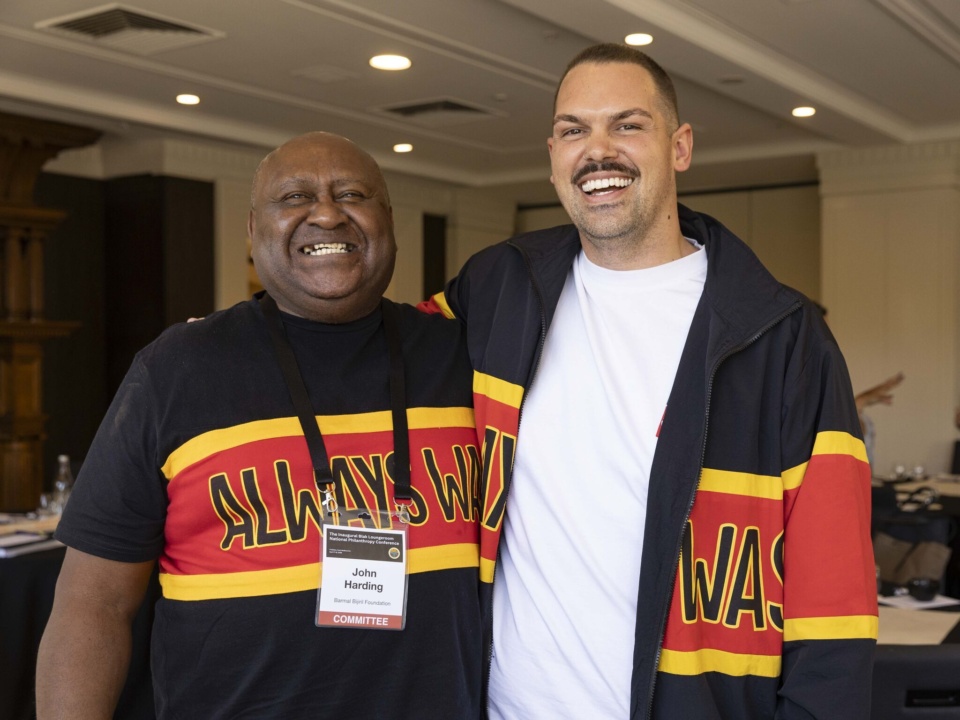
Posted on 07 May 2026
Organisers of Blak Loungeroom, a historic Indigenous-led philanthropy conference held in Melbourne…