
Same failures, different decade: white paper calls for new tactics to prevent grantmaking mistakes
Posted on 03 Aug 2026
A decade of Australian auditor-general reports shows grantmakers and decision makers repeatedly…
Posted on 24 Mar 2026
By Matthew Schulz, journalist, Institute of Grants Management
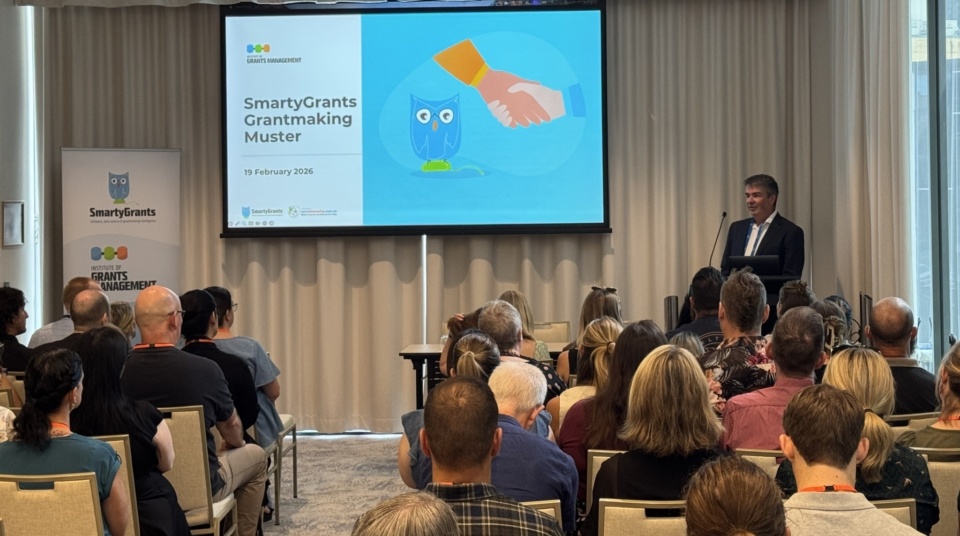
Grantmakers in Australia and New Zealand are closely tracking the rapid uptake of the use of artificial intelligence (AI), with a strong interest in how it could assist assessments and decision making.
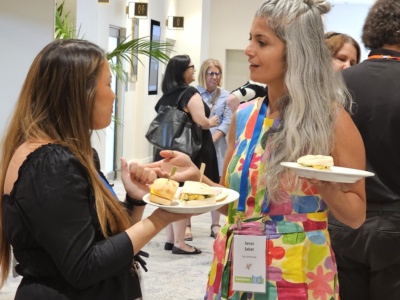
More than 100 grantmakers gathered at recent SmartyGrants events in Auckland and Brisbane, where discussions addressed the practical uses of AI, as well as improving evaluation, analytics and grants processes.
Most recently, grantmakers from New Zealand’s large councils and community trusts met at SO/ Auckland hotel to examine emerging trends in grantmaking.
Their discussions were echoed by Queensland grantmakers who met at a similar event last month at the Amora Hotel in Brisbane.
SmartyGrants hosts regular “Grantmaking Musters” for platform users and other professionals across the government, corporate and philanthropic sectors. Demand for the events is strong, with an Adelaide event on April 23 already fully subscribed and expected to attract more than 100 delegates. A Sydney event scheduled for May 28 is also expected to fill quickly.
“Our principle is simple: AI should assist people, not replace them. It won’t make funding decisions … and humans remain in control.”
Participants were keenly interested in SmartyGrants’ plans for AI tools, including the “Tessa the Assessor” project, which aims to make grants assessment easier.
SmartyGrants platform transformation executive director Jodie Shanks said in Auckland that the organisation had avoided adopting “gimmicky AI features”.
“We want to introduce changes that genuinely save time, improve consistency, and strengthen decision-making – without compromising trust, governance, or privacy.”
Shanks said the initial rollout would focus on automation using clear rules and workflows to reduce repetitive administrative work.
AI would be adopted in areas such as project evaluation and assessment, and to help teams summarise information and reduce time spent re-reading or rewriting material, she said.
“Our principle is simple: AI should assist people, not replace them. It won’t make funding decisions … and humans remain in control.”
Tools would prioritise privacy, security and transparency, and allow users to switch off features in line with their internal policies, she said.
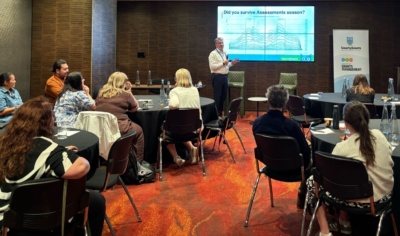
Muster organiser Gina Cirillo said that participants were most interested in “practical, real-world discussion” and opportunities to learn from other funders.
She pointed to a session by grantmaking experts Josh Presser and Danielle Frankel, which mapped the full grantmaking process and included a role-play of that process in action. Attendees described the session as particularly useful, including the insight that process maps must be developed from “objectives and reporting needs”.
Other presentations addressed quality grant assessments, project evaluation, process mapping and the use of analytics, including dashboards.
Cirillo described conversations as “lively, thoughtful and focused on where grantmaking is heading next”.
She said SmartyGrants users would receive email alerts about future musters in their region, while others could monitor the Muster events page or subscribe to Grants Management Intelligence to stay informed.
Posted on 03 Aug 2026
A decade of Australian auditor-general reports shows grantmakers and decision makers repeatedly…
Posted on 25 Jun 2026
Australia distributes an estimated $125 billion in grants annually, but grantmaking, unlike…
Posted on 25 Jun 2026
The federal government's Community Sector Grants Engagement Framework is "on track," the Department…
Posted on 25 Jun 2026
Australia’s grants administration system has centralised bureaucracy instead of expertise, creating…

Posted on 25 Jun 2026
Nine in 10 Australian social impact measurement practitioners are now using AI in their work, but…
Posted on 24 Jun 2026
More than 300 of Australia’s top social impact professionals and leaders will gather in Sydney on…

Posted on 03 Jun 2026
A new report has found that ongoing financial, workforce and governance pressures mean the…
Posted on 20 May 2026
The Australian National Audit Office (ANAO) has released a new report in its Audit Lessons series,…
Posted on 20 May 2026
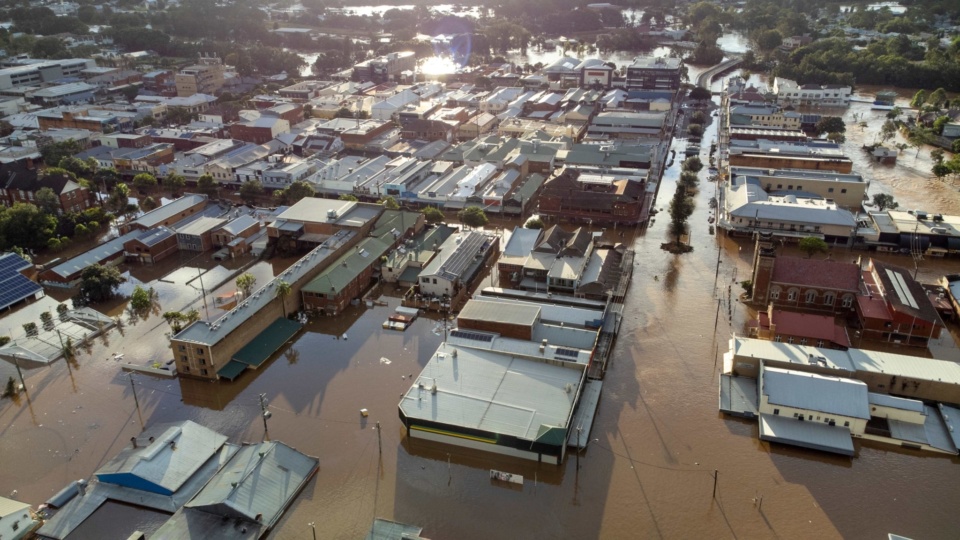
The NSW government's administration of a flood recovery grants program has largely met requirements…
Posted on 07 May 2026
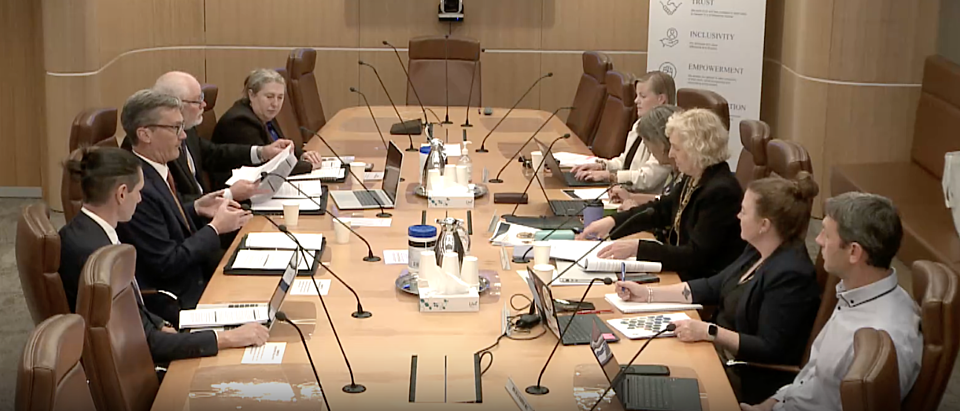
A Tasmanian parliamentary inquiry has heard new evidence that the state's Department of Health has…

Posted on 07 May 2026
A fast-growing region of New Zealand – home to the world’s best adventure tourism, awe-inspiring…
Posted on 07 May 2026
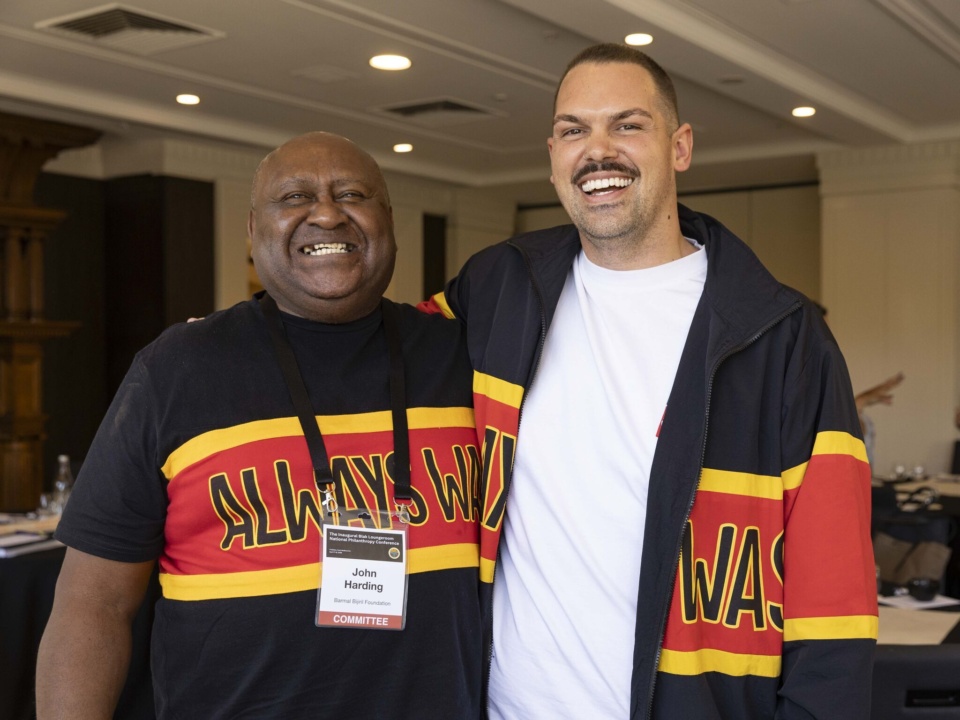
Organisers of Blak Loungeroom, a historic Indigenous-led philanthropy conference held in Melbourne…