
Same failures, different decade: white paper calls for new tactics to prevent grantmaking mistakes
Posted on 03 Aug 2026
A decade of Australian auditor-general reports shows grantmakers and decision makers repeatedly…
Posted on 25 Jun 2026
By Matthew Schulz, journalist, Institute of Grants Management

Nine in 10 Australian social impact measurement practitioners are now using AI in their work, but most lack formal policies to govern how, according to a survey released this week by the Social Impact Measurement Network Australia (SIMNA).
The national network for practitioners will soon release AI use principles after survey respondents nominated ethical and responsible use guidance as their most urgent needs.
The 2026 Pulse Survey – produced in collaboration with consultancy Social Impax – drew 75 responses from the not-for-profit, consultancy and government sectors. Around half of all respondents used AI regularly, largely relying on general-purpose tools such as ChatGPT, Microsoft Copilot, Claude and Gemini.
Ninety per cent of AI users reported time saving as the major benefit, and the most popular uses were general research, recording and notetaking, and drafting reports and summaries,
The biggest barriers to adoption were related to data privacy and ethical concerns, above skills gaps and costs. The top risks nominated by respondents were inaccuracy and unreliability, followed by misuse and over-reliance, data security, and concerns about bias and unfairness.
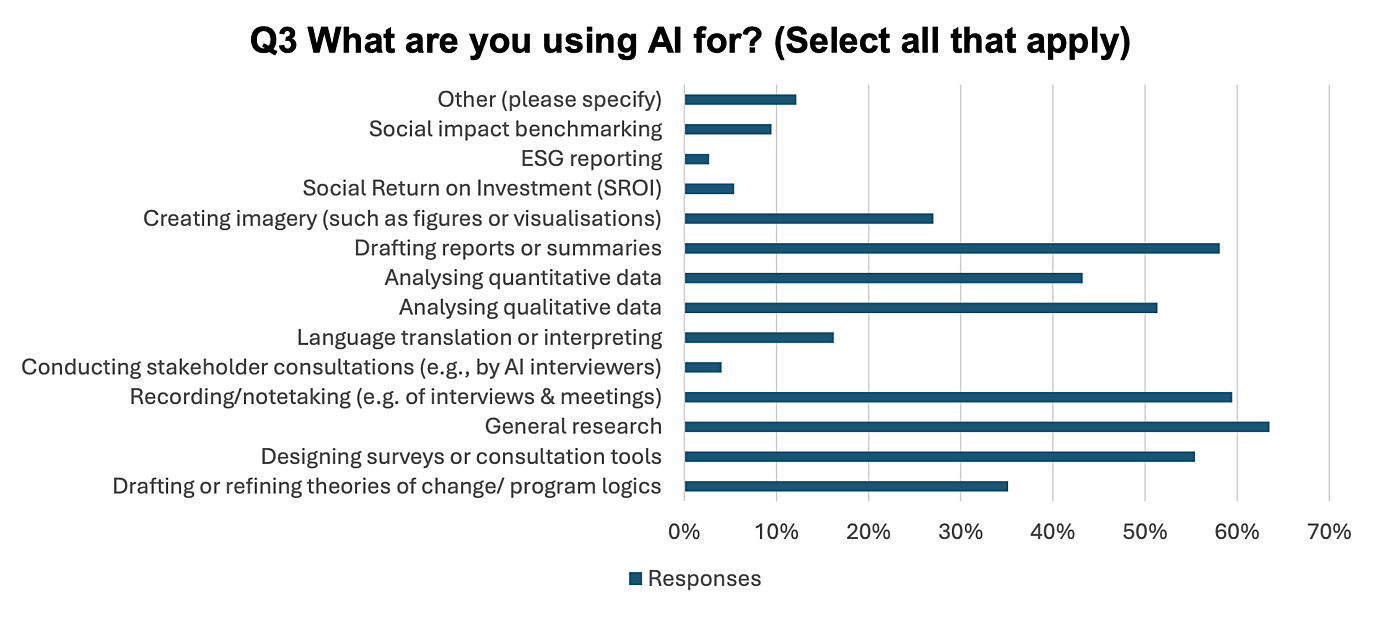
"The biggest theme area was about ethical and responsible use guidance in this space."
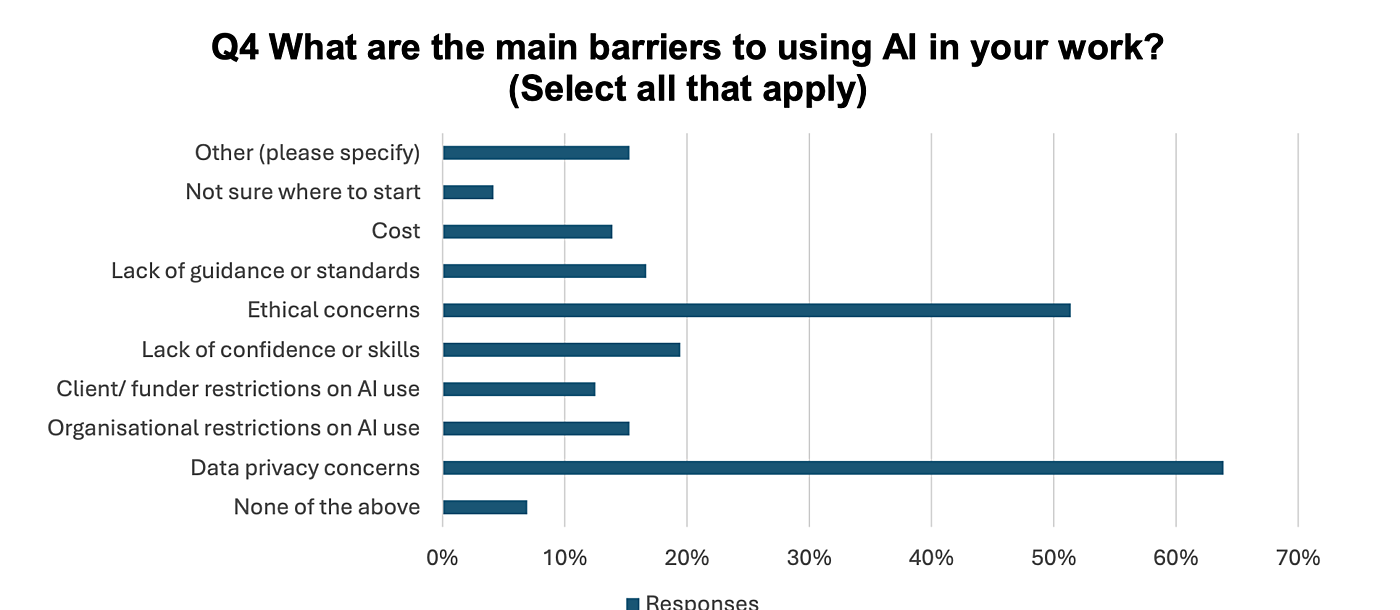
Despite these concerns, the use of formal safeguards is not widespread. While 71 per cent of respondents said they checked AI outputs through human review, fewer had implemented AI policies (52 per cent), informed consent processes (30 per cent), risk assessments (11 per cent), or formal ethics reviews (9 per cent). Just over half of respondents (54 per cent) disclosed to clients that AI had been used in their work.

The study’s authors suggested that AI use presented an opportunity for practitioners to boost fairness and equity, rather than simply save time, and they listed priorities for practitioners as:
"The biggest theme area was about ethical and responsible use guidance in this space," said Rebecca Roebuck of Social Impax, who presented the findings at a SIMNA webinar this month.
Roebuck raised a longer-term concern: whether practitioners, particularly less experienced ones, are developing the judgement required to assess AI output.
"One of the things that worries me about AI use [is] whether they will have the judgement to be able to review an AI output that's technical and understand whether it's good or not good. I think that's a real risk area for future practice."

Simon Faivel, the co-chair of SIMNA said it had already developed some basic principles to guide AI use and would share that with members soon.
"It’s not big, but it hopefully will start to point towards some of these points Rebecca raised.”
He said that the survey reinforced the need for human involvement.
“Critical thinking, human judgment is central to all of this, and we need to keep reinforcing that," he said.
Posted on 03 Aug 2026
A decade of Australian auditor-general reports shows grantmakers and decision makers repeatedly…

Posted on 25 Jun 2026
Australia distributes an estimated $125 billion in grants annually, but grantmaking, unlike…
Posted on 25 Jun 2026
The federal government's Community Sector Grants Engagement Framework is "on track," the Department…
Posted on 25 Jun 2026
Australia’s grants administration system has centralised bureaucracy instead of expertise, creating…
Posted on 25 Jun 2026
Nine in 10 Australian social impact measurement practitioners are now using AI in their work, but…

Posted on 24 Jun 2026
More than 300 of Australia’s top social impact professionals and leaders will gather in Sydney on…

Posted on 03 Jun 2026
A new report has found that ongoing financial, workforce and governance pressures mean the…
Posted on 20 May 2026
The Australian National Audit Office (ANAO) has released a new report in its Audit Lessons series,…
Posted on 20 May 2026
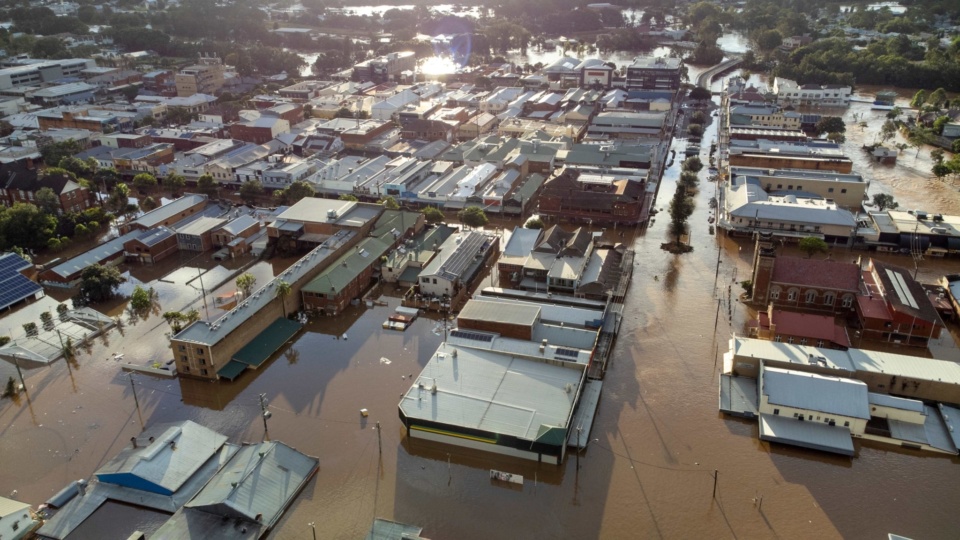
The NSW government's administration of a flood recovery grants program has largely met requirements…
Posted on 07 May 2026
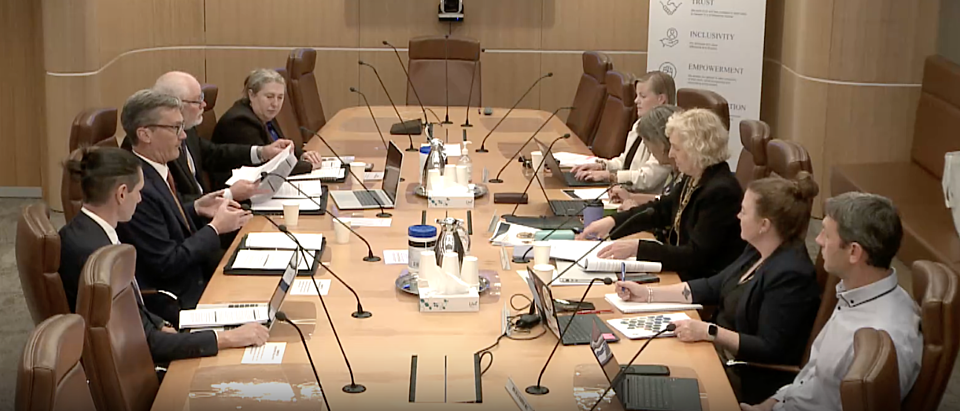
A Tasmanian parliamentary inquiry has heard new evidence that the state's Department of Health has…

Posted on 07 May 2026
A fast-growing region of New Zealand – home to the world’s best adventure tourism, awe-inspiring…
Posted on 07 May 2026
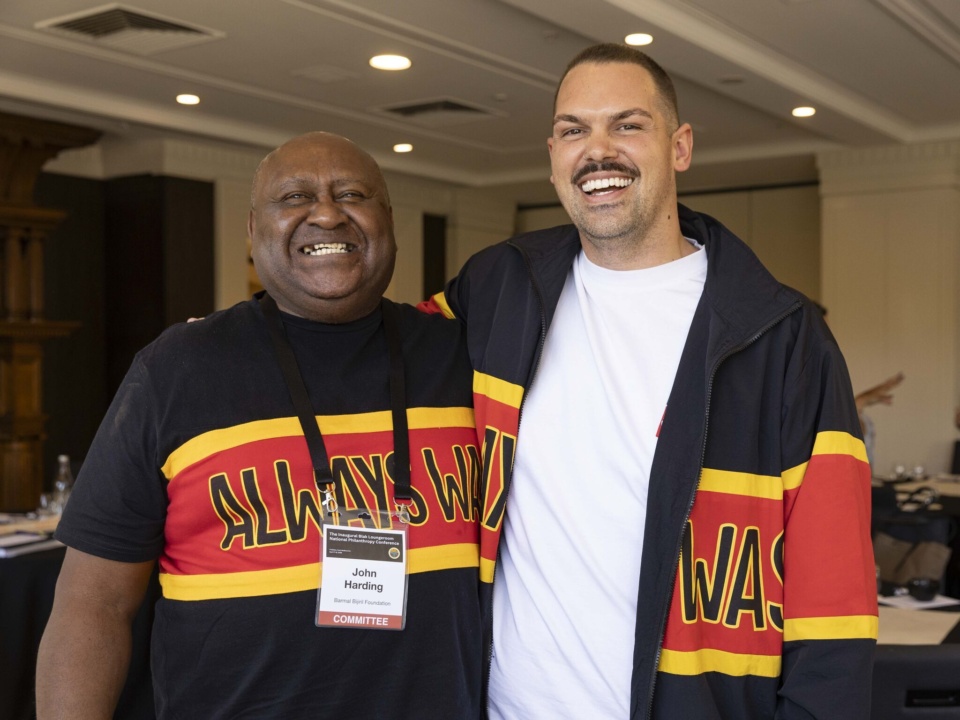
Organisers of Blak Loungeroom, a historic Indigenous-led philanthropy conference held in Melbourne…