
Same failures, different decade: white paper calls for new tactics to prevent grantmaking mistakes
Posted on 03 Aug 2026
A decade of Australian auditor-general reports shows grantmakers and decision makers repeatedly…
Posted on 03 Jun 2026
By Nick Place, journalist

A new report has found that ongoing financial, workforce and governance pressures mean the strategic decision-making of Australian NFP leaders is increasingly focused on survival, ahead of considering growth and transformation.
Operating conditions remain tough. NFP leaders named cost pressures (59 per cent), external uncertainty (49 per cent) and financial sustainability (47 per cent) as significant barriers to their organisation’s hopes of achieving their strategic goals.
Accountancy firm HLB Mann Judd’s May 2026 Not-for-profit Leader’s Report: strategic planning explored how the long-term resilience of NFPs is being tested. It was created with and for the Exclusive Not for Profit (ENFP) community, a forum where senior NFP leaders can learn, collaborate and connect.

While most of the leaders surveyed for the report seemed confident that their overarching strategy remained valid and relevant, nearly two-thirds reported having had to make “difficult strategic choices” in the past year, with sustainability challenges and high demand causing the most headaches among leaders.
HLB Mann Judd’s head of not-for-profit, Aidan Smith, said, “Not-for-profit leaders are navigating one of the most challenging operating environments the sector has faced in years. Funding uncertainty, workforce shortages, rising service demand and increasing expectations around governance, technology and risk are forcing difficult decisions about where to focus, where to invest and, just as importantly, what to stop doing.”
Introducing the report on LinkedIn, he explained: “The report is intended to be practical. We hope it provides useful prompts for reflection and discussion at board and leadership level and supports more confident decision‑making in a challenging environment.”
The report is the culmination of a survey of NFP leaders, including CEOs or executive directors, boards or board chairs, and other executives, he said.
“Not for profit leaders are navigating one of the most challenging operating environments the sector has faced in years.”
Organisations involved in the research included NFPs, member and peak bodies, disability service providers, faith-based organisations, education providers and health and community services organisations. Turnover ranged from less than $5 million to greater than $20 million, and Smith said the challenges identified in the report cut across size, mission and operating models.
The difficult conditions in which Australia’s not-for-profit sector operates dominated the findings. Many organisations seem to have parked expansion or innovation debates, the report said, instead concentrating on whether they can sustainably continue to deliver services at current demand levels. Strategy is becoming “less about optimisation and more about protecting people, purpose and viability under ongoing strain,” it said.
Workforce shortages, leadership capacity, difficulties in recruitment and capability gaps all combined to see workplace capacity identified as the biggest people-related strategic risk. While 75 per cent of strategic plans touched on the topic of workforce capability and culture, only 41 per cent discussed specific leadership succession planning and only 24 per cent of organisations had locked in succession plans.
Boards and executives seemed to be caught up in stabilisation activity, ahead of imagining what could be. Funding uncertainty (49 per cent), service demand (44 per cent), governance and risk (41 per cent), workforce issues (34 per cent) and compliance (30 per cent) dominate the time of boards, at the expense of exploring innovation, long-term reform or plans for expansion or experimentation.
Surprisingly, the report found that ESG (environmental, social and governance) and sustainability commitments were missing from all but 23 per cent of strategic plans.
“The relatively low inclusion of ESG and sustainability commitments is particularly notable in the current environment,” the report said. “For many organisations, sustainability is no longer just about environmental responsibility; it is increasingly tied to funding expectations, workforce attraction and retention, risk management and long‑term service viability.
“As expectations around sustainability and outcomes continue to grow, organisations that do not yet reflect these considerations in their strategic planning may find it harder to maintain funding, partnerships and long‑term impact.”
Posted on 03 Aug 2026
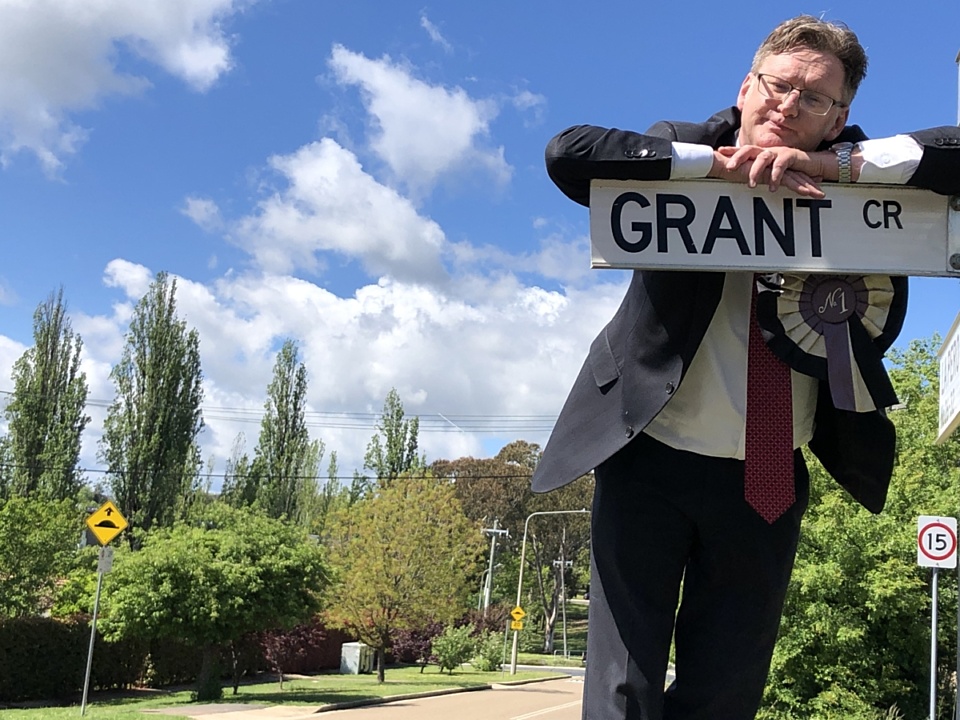
A decade of Australian auditor-general reports shows grantmakers and decision makers repeatedly…
Posted on 25 Jun 2026
Australia distributes an estimated $125 billion in grants annually, but grantmaking, unlike…
Posted on 25 Jun 2026
The federal government's Community Sector Grants Engagement Framework is "on track," the Department…

Posted on 25 Jun 2026
Australia’s grants administration system has centralised bureaucracy instead of expertise, creating…

Posted on 25 Jun 2026
Nine in 10 Australian social impact measurement practitioners are now using AI in their work, but…

Posted on 24 Jun 2026
More than 300 of Australia’s top social impact professionals and leaders will gather in Sydney on…

Posted on 03 Jun 2026
A new report has found that ongoing financial, workforce and governance pressures mean the…

Posted on 20 May 2026
The Australian National Audit Office (ANAO) has released a new report in its Audit Lessons series,…
Posted on 20 May 2026
The NSW government's administration of a flood recovery grants program has largely met requirements…
Posted on 07 May 2026
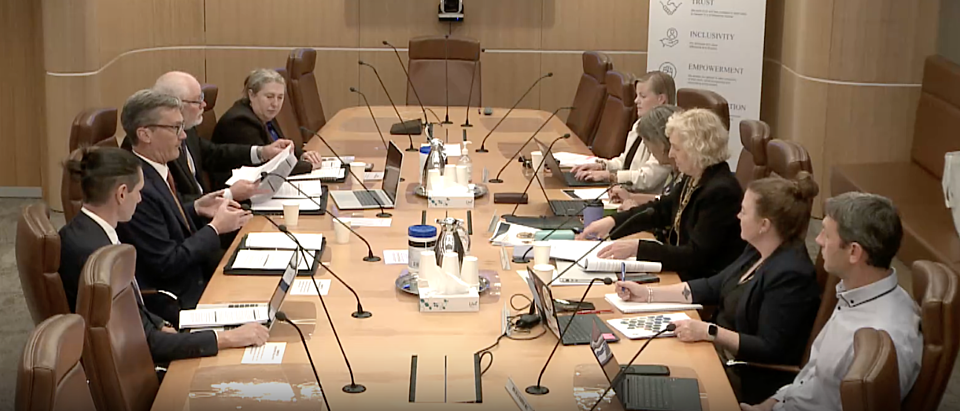
A Tasmanian parliamentary inquiry has heard new evidence that the state's Department of Health has…

Posted on 07 May 2026
A fast-growing region of New Zealand – home to the world’s best adventure tourism, awe-inspiring…
Posted on 07 May 2026
Organisers of Blak Loungeroom, a historic Indigenous-led philanthropy conference held in Melbourne…