
Same failures, different decade: white paper calls for new tactics to prevent grantmaking mistakes
Posted on 03 Aug 2026
A decade of Australian auditor-general reports shows grantmakers and decision makers repeatedly…
Posted on 25 Jun 2026
By Matthew Schulz, journalist
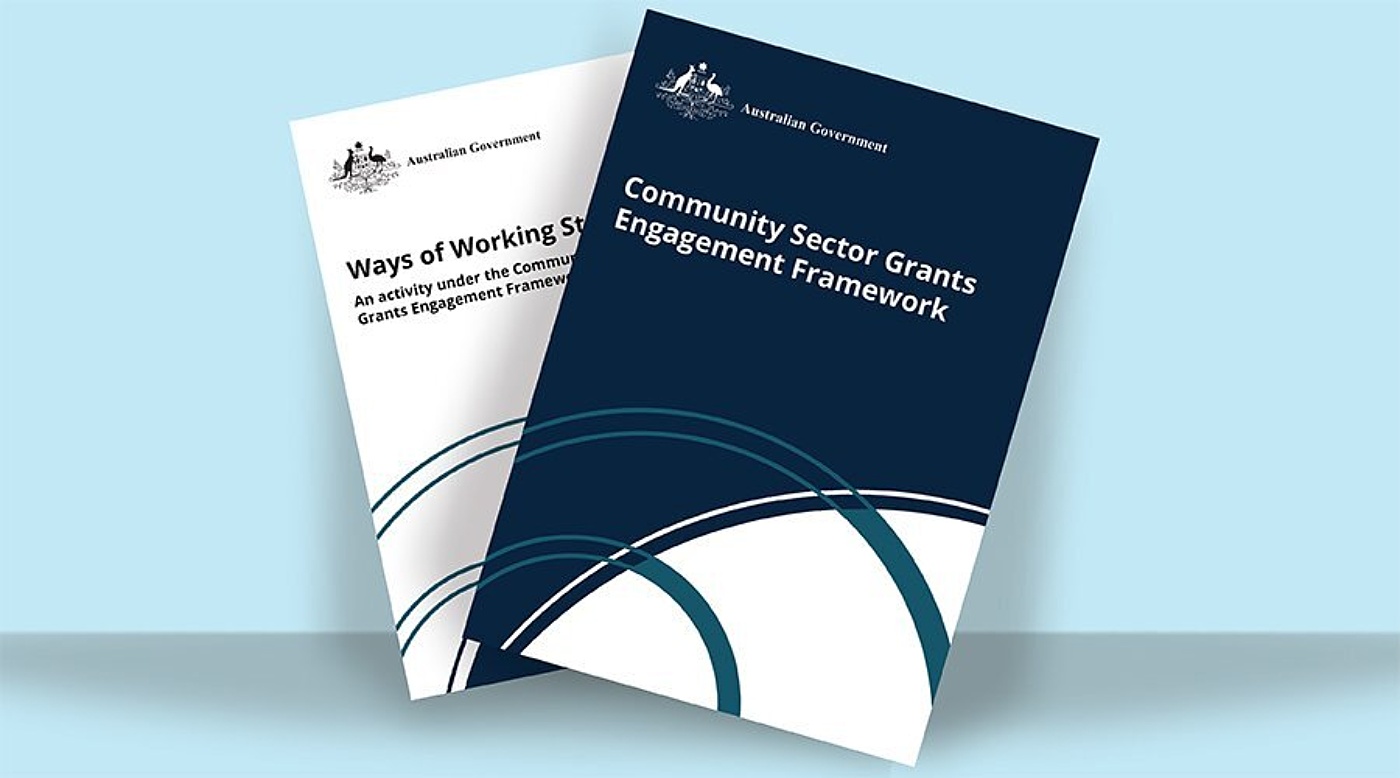
The federal government's Community Sector Grants Engagement Framework is "on track," the Department of Social Services (DSS) says – but the promised accountability report will miss its deadline, and key sector funding concerns remain unresolved more than a year after the framework's release.
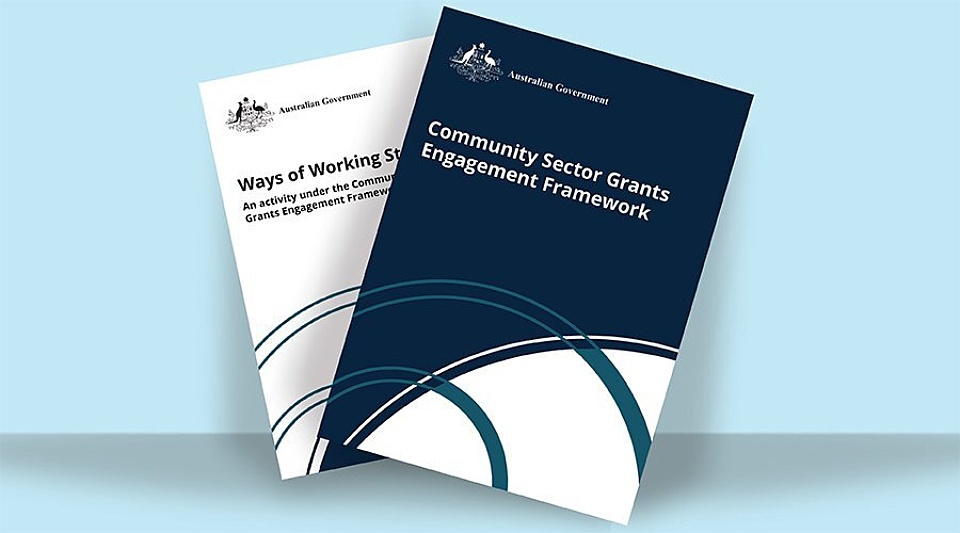
The framework was released in March 2025 by the then Minister for Social Services, Amanda Rishworth, following a public consultation that ran from September to November 2023 and drew 237 submissions. It promised "whole-of-government administrative and cultural change" in how agencies design and manage community sector grants.
The framework was accompanied by a "Ways of Working" statement committing the government to being more collaborative, transparent, innovative and outcomes-focused. Grantmakers were advised it would work "in parallel" with the existing Australian Government Grants Framework and Commonwealth Grants Rules and Principles.
The consultation was commissioned after the government's 2022 election commitment to strengthening the community sector. The issues it canvassed – short grant cycles, inadequate indexation, excessive compliance burden – had been raised in previous reviews dating back to the Productivity Commission's 2010 report on the not-for-profit sector.
The 237 submissions described a sector under strain, with respondents raising:
A 2022 Australian Council of Social Service (ACOSS) community sector survey found that only 12 per cent of sector leaders agreed their funding enabled them to meet demand. The framework acknowledged the concern and committed to developing guidance for Australian Public Service (APS) employees on understanding service delivery costs.
Community Council for Australia (CCA) chief executive David Crosbie welcomed changes to indexation at the time but said there were few new commitments from DSS.
"There may be some benefits for organisations contracted by the Department of Social Services, and the document has many good intentions, but I don't think it is a game changer," Crosbie said.
In response to questions from SmartyGrants, a departmental spokesperson said the framework "is driving a whole-of-government administrative and cultural change, improving how grants are designed and managed to help the sector plan for the future and to improve outcomes for vulnerable Australians."
The spokesperson pointed to the DSS’s ongoing engagement with the Community Services Advisory Group (CSAG) and a Community Services Ministerial Roundtable as evidence of progress. A departmental spokesperson said those were “valuable channels to listen to the sector and inform future policies and programs.'"
Several of the framework’s short-term aims have been achieved. A dedicated community sector webpage has been published on the DSS website, and the Department of Finance published updated whole-of-government grant guidelines and templates in late 2025. These appear to have addressed a cluster of related short-term commitments covering information on indexation, longer-term agreements, notification requirements and grant flexibility.
It is unclear whether the DSS has met other short-term commitments.
This includes mapping cross-government consultation to “alleviate consultation fatigue experienced by CSOs” and providing clearer operational guidance on the duration of grants. Also outstanding is a business case for a Commonwealth grant connected policy under the National Agreement on Closing the Gap, which would require agencies to prioritise Aboriginal and Torres Straig Islander community-controlled organisations when designing grant programs.
"Community organisations have told us loud and clear – too much red tape and admin is holding them back from doing what they do best."
The DSS committed to publishing the first progress report on the framework during the 2025–26 financial year. It now says it will be published in late 2026, meaning it will miss that deadline.
The DSS also committed to developing an Outcomes Measurement Plan to underpin the progress report, and said in a statement that that plan was “on track”.
Data on whether agencies have passed on indexation in full to grantees, offered longer-term grant agreements, and provided earlier notification of grant cessation or renewal will not be released before the progress report in late 2026.
When asked to identify any mechanism in the framework that would require grants to cover the full cost of service delivery, the DSS did not respond.
Grant duration was the single most widely raised issue across the 237 submissions, with most calling for a minimum five-year term. The DSS did not respond to questions about how many new grant agreements since March 2025 have been for five years or more.
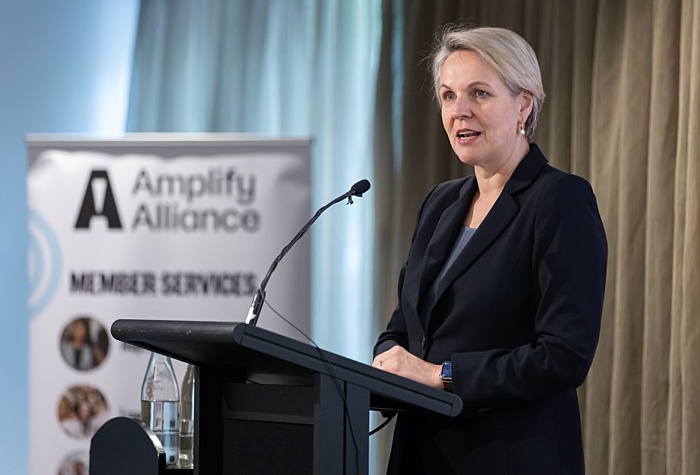
Questions sent to Minister Tanya Plibersek's office – the portfolio has passed from Rishworth to Plibersek – received no direct response. The DSS’s media unit replied on behalf of both the department and the minister's office. Three questions put to the minister – on the progress report timeline, full-cost funding and grant duration – were not answered.
Plibersek has been more direct in other forums. In a keynote address to the Amplify Alliance national not-for-profit summit in October 2025, she announced a revamp of five family and community services programs worth $430 million a year, to be replaced by a single national program from 2027. The changes include a trial of "relational contracting" – five-year contracts, reduced reporting and a greater focus on outcomes.
"Community organisations have told us loud and clear – too much red tape and admin is holding them back from doing what they do best: supporting kids, families and communities," Plibersek said.
Whether the family services trial becomes a template for broader community sector grants remains to be seen. The framework's own components – including longer-term agreements and better understanding of service delivery costs – share similar objectives, though the DSS has not indicated a timeline for extending the relational contracting model beyond child and family programs.
The framework responded to longstanding sector concerns – consultation fatigue, inadequate indexation, short grant cycles – that had been raised across multiple previous government reviews. Whether it translates into measurable change is a question the DSS says will be answered when the progress report lands in late 2026.
The DSS did not to respond to questions about full-cost funding mechanisms, grant duration data, and the timeline for the Outcomes Measurement Plan.
Posted on 03 Aug 2026
A decade of Australian auditor-general reports shows grantmakers and decision makers repeatedly…
Posted on 25 Jun 2026
Australia distributes an estimated $125 billion in grants annually, but grantmaking, unlike…
Posted on 25 Jun 2026
The federal government's Community Sector Grants Engagement Framework is "on track," the Department…
Posted on 25 Jun 2026
Australia’s grants administration system has centralised bureaucracy instead of expertise, creating…

Posted on 25 Jun 2026
Nine in 10 Australian social impact measurement practitioners are now using AI in their work, but…

Posted on 24 Jun 2026
More than 300 of Australia’s top social impact professionals and leaders will gather in Sydney on…

Posted on 03 Jun 2026
A new report has found that ongoing financial, workforce and governance pressures mean the…

Posted on 20 May 2026
The Australian National Audit Office (ANAO) has released a new report in its Audit Lessons series,…
Posted on 20 May 2026
The NSW government's administration of a flood recovery grants program has largely met requirements…
Posted on 07 May 2026
A Tasmanian parliamentary inquiry has heard new evidence that the state's Department of Health has…

Posted on 07 May 2026
A fast-growing region of New Zealand – home to the world’s best adventure tourism, awe-inspiring…
Posted on 07 May 2026
Organisers of Blak Loungeroom, a historic Indigenous-led philanthropy conference held in Melbourne…