
Same failures, different decade: white paper calls for new tactics to prevent grantmaking mistakes
Posted on 03 Aug 2026
A decade of Australian auditor-general reports shows grantmakers and decision makers repeatedly…
Posted on 19 Sep 2023
By Greg Thom, journalist, Institute of Community Directors Australia

An overwhelming majority of Australians believe women should have the same rights as men, but almost 60% of the nation don’t consider gender equality a priority issue according to a new study.
The insights come from a ground-breaking new research initiative called Gender Compass.
The first-of-its-kind project segments the Australian public into six groups aligned with their views toward women - Hopeful, Trailblazer, Conflicted, Indifferent, Rejector and Moderate.
The composition of each group is determined according to peoples beliefs, values, motivators, policy preferences and behaviours around gender equality.
Gender Compass was developed by humanitarian organisation Plan International Australia in collaboration with research partners Dr Rebecca Huntley and Heartward Strategic.
The findings are based on an online survey of 2,522 Australians aged over 16 conducted in mid-2023.
The research revealed broad community support for a gender equal society with 90% of those surveyed recognising the importance of Australian women having the same rights, opportunities and outcomes as men.
There was also a widespread belief that everyone benefits from a society that is fair to all genders.
While the majority of those surveyed were also in favour of the need for individuals, business and government to take more action to further equality, views diverged on the magnitude of change required.
Key findings from the research include:

“It is a pulse check, but it is also a wake-up call, because the impacts of gender inequality are still invisible to too many Australians.”
Plan International CEO Susanne Legena said Gender Compass was developed in a bid to reveal the prevailing views on gender equality, who holds them, and what drives them.
“Gender Compass is a critical new tool that allows us to understand how we can talk about gender justice with Australians in a way that makes a difference,” she said.
“It is a pulse check, but it is also a wake-up call, because the impacts of gender inequality are still invisible to too many Australians.”
Ms Legena said positive developments in the gender debate such as the huge support for the Matilda’s in the World Cup and empowering conversations sparked by the megahit movie Barbie were offset by negatives such as unacceptable rates of violence against women and the gender pay gap.

“By developing Gender Compass, and arming equality advocates, the humanitarian sector and the broader public with this excellent resource, we can gain a better understanding of Australian’s beliefs, values and attitudes around gender equality, and overcome the harmful social norms that underpin discrimination, inequality and violence all around the world.”
The Gender Compass project was supported and funded by the Trawalla Foundation and Women’s Leadership Institute Australia.
The chair of both organisations, Carol Schwartz AO said evidence-based resources such a Gender Compass which guide how we can meaningfully engage people in conversations about an issue that affects us all, are necessary to shift social norms and build a gender-equal society.
“We do not want this research to sit on the shelf or be used exclusively by the team who developed it,” she said.
“There are lots of opportunities to build on the initial findings, deepen the data sets, and to trial effective communication and engagement with different segments.
“I strongly believe that optimising outcomes for Australia (and globally) hinges on achieving gender equality.”
Ms Schwartz, who is also chair of Our Community, said she was focused on finding the best levers for change to achieve equal voice, equal representation and equal recognition for women.
Posted on 03 Aug 2026
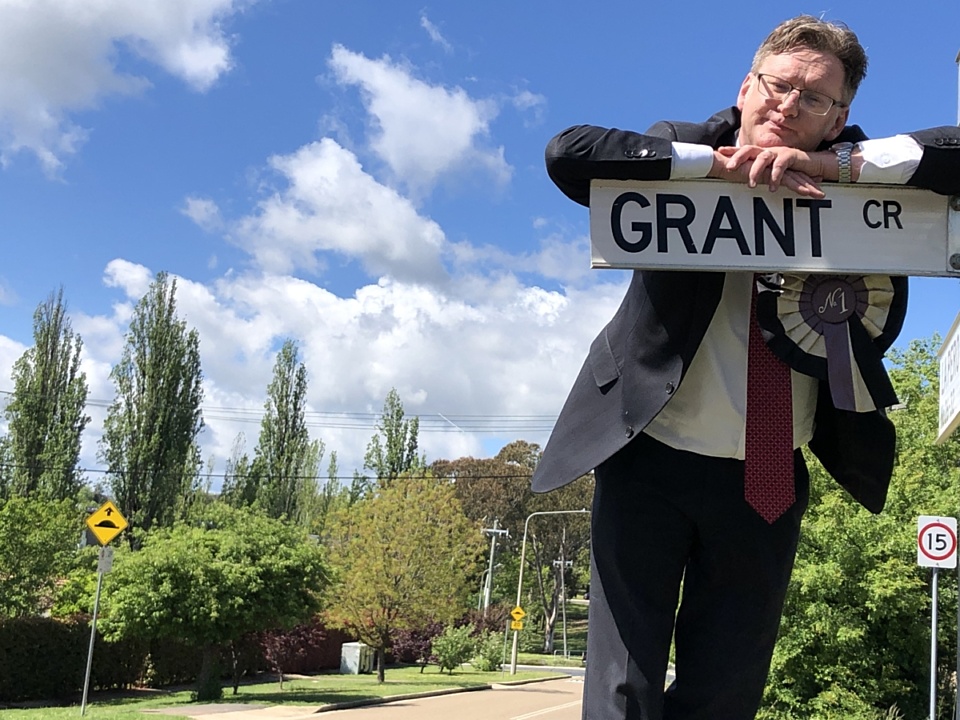
A decade of Australian auditor-general reports shows grantmakers and decision makers repeatedly…
Posted on 25 Jun 2026
Australia distributes an estimated $125 billion in grants annually, but grantmaking, unlike…
Posted on 25 Jun 2026
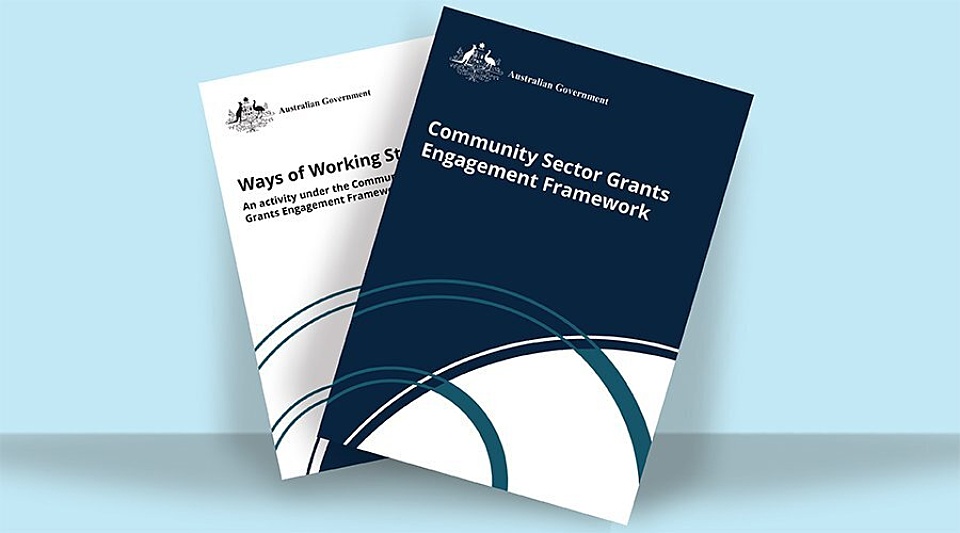
The federal government's Community Sector Grants Engagement Framework is "on track," the Department…

Posted on 25 Jun 2026
Australia’s grants administration system has centralised bureaucracy instead of expertise, creating…

Posted on 25 Jun 2026
Nine in 10 Australian social impact measurement practitioners are now using AI in their work, but…
Posted on 24 Jun 2026
More than 300 of Australia’s top social impact professionals and leaders will gather in Sydney on…

Posted on 03 Jun 2026
A new report has found that ongoing financial, workforce and governance pressures mean the…

Posted on 20 May 2026
The Australian National Audit Office (ANAO) has released a new report in its Audit Lessons series,…
Posted on 20 May 2026
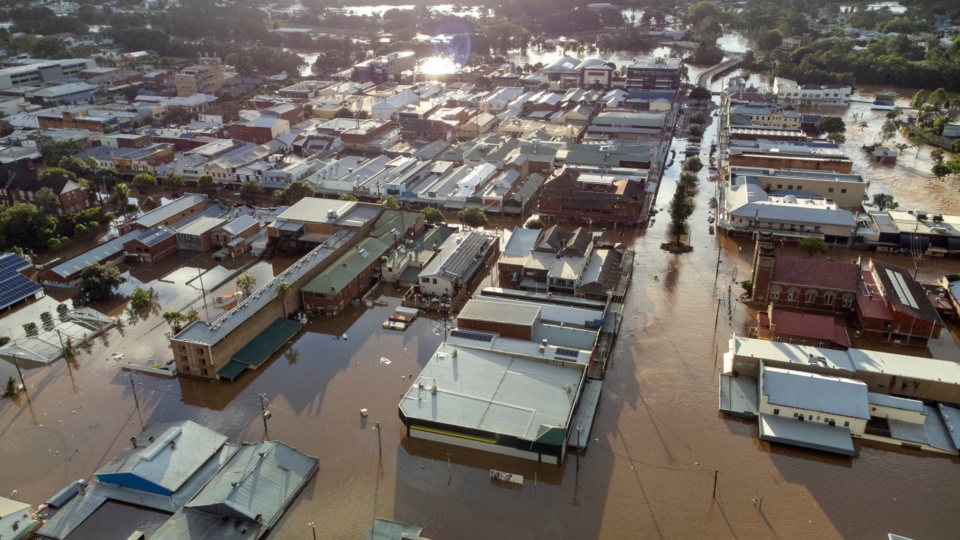
The NSW government's administration of a flood recovery grants program has largely met requirements…
Posted on 07 May 2026
A Tasmanian parliamentary inquiry has heard new evidence that the state's Department of Health has…

Posted on 07 May 2026
A fast-growing region of New Zealand – home to the world’s best adventure tourism, awe-inspiring…
Posted on 07 May 2026
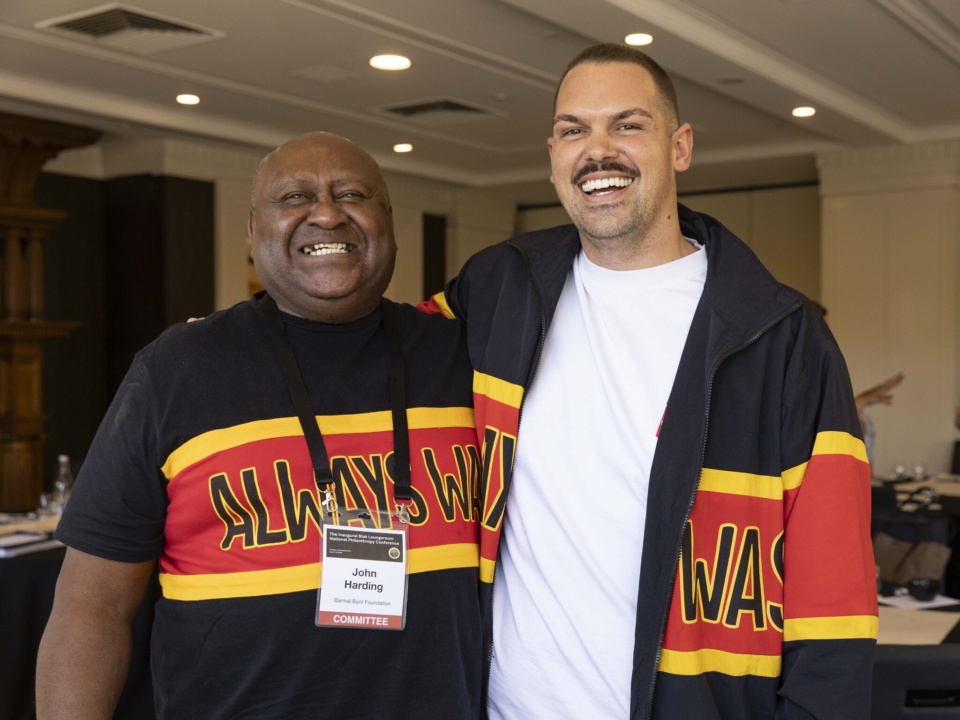
Organisers of Blak Loungeroom, a historic Indigenous-led philanthropy conference held in Melbourne…