
Same failures, different decade: white paper calls for new tactics to prevent grantmaking mistakes
Posted on 03 Aug 2026
A decade of Australian auditor-general reports shows grantmakers and decision makers repeatedly…
By Jen Riley, director, Social Impact Measurement Network Australia (SIMNA)

If you’re a grantmaker, chances are you’ve wrestled with evaluation. There are many questions, a great deal of data, and often no clear place to begin.
You might be asking: What matters? Who should I be listening to? How do I avoid building a system that looks good on paper but never gets used?
You’re not alone. Evaluation can quickly become overwhelming. My advice: start simple. Start with a table.
The best evaluation frameworks aren’t the ones that collect the most data or produce the glossiest reports. They’re the ones that are useful – for you, your board, your grantees and the communities you ultimately serve.
Michael Quinn Patton, in his book Utilization-Focused Evaluation, puts it plainly: if evaluation isn’t used, or isn’t useful, then what’s the point?
A simple starting point ensures that your evaluation efforts are anchored in what matters most: who needs to know what, and why?
I recommend starting by building a simple table. It doesn’t require a strategy retreat, a six-month project or a consultant’s report. Just a blank page, some sticky notes or a spreadsheet will do.
Your column headings should be:
This structure is simple but powerful:
Once you’ve filled in this table, you’ll see a roadmap emerging.
Let’s say you’re funding youth mental health programme. Here’s what your table might look like at the start:
This table captures what really matters: who needs to know, what they need to know, when, and in what form. From there, you can see where to start collecting data, how to present it, and where the biggest gaps are. Most importantly, it keeps you honest about the purpose of evaluation: not to tick boxes, but to provide value to real people.
Once you’ve mapped your stakeholders and their needs, you can begin to layer in more detail:
Resist the temptation to overcomplicate things. A strong foundation, built from your simple table, will save you collecting too much irrelevant data.
Grantmakers don’t need perfect evaluation systems; they need useful ones. Starting with a simple stakeholder table brings clarity to the chaos. It ensures your evaluation is grounded in real-world use and allows you up to add complexity later without losing sight of the basics.
If you’re sitting at your desk staring at a mountain of reporting requirements and data possibilities, take a breath. Pull out a piece of paper. Write down the four column headings. Then start with the people who matter most.
That’s evaluation worth doing.
Author: Jen Riley is the co-chair of SIMNA and previously worked as SmartyGrants chief impact officer
This help sheet was first published in Making Change Visible: A Practical Guide to Impact Measurement for Funders. This was part of a joint publication between SmartyGrants and Philanthropy Ireland.
Posted on 03 Aug 2026
A decade of Australian auditor-general reports shows grantmakers and decision makers repeatedly…
Posted on 25 Jun 2026
Australia distributes an estimated $125 billion in grants annually, but grantmaking, unlike…
Posted on 25 Jun 2026
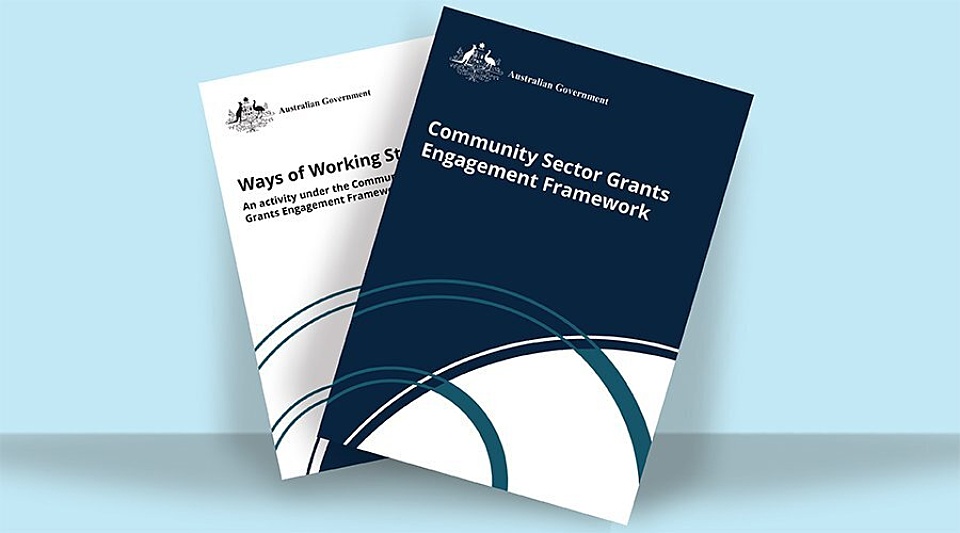
The federal government's Community Sector Grants Engagement Framework is "on track," the Department…

Posted on 25 Jun 2026
Australia’s grants administration system has centralised bureaucracy instead of expertise, creating…

Posted on 25 Jun 2026
Nine in 10 Australian social impact measurement practitioners are now using AI in their work, but…

Posted on 24 Jun 2026
More than 300 of Australia’s top social impact professionals and leaders will gather in Sydney on…

Posted on 03 Jun 2026
A new report has found that ongoing financial, workforce and governance pressures mean the…
Posted on 20 May 2026
The Australian National Audit Office (ANAO) has released a new report in its Audit Lessons series,…
Posted on 20 May 2026
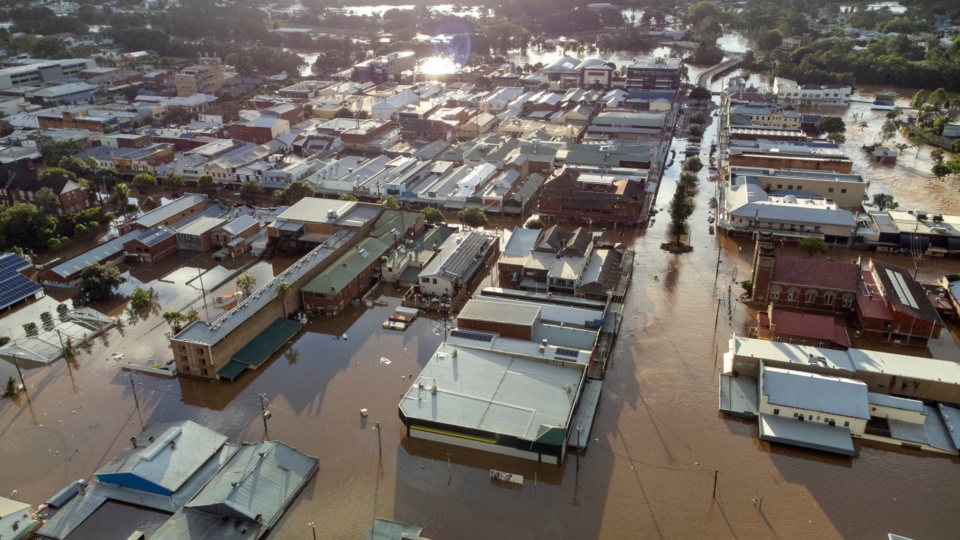
The NSW government's administration of a flood recovery grants program has largely met requirements…
Posted on 07 May 2026
A Tasmanian parliamentary inquiry has heard new evidence that the state's Department of Health has…

Posted on 07 May 2026
A fast-growing region of New Zealand – home to the world’s best adventure tourism, awe-inspiring…
Posted on 07 May 2026
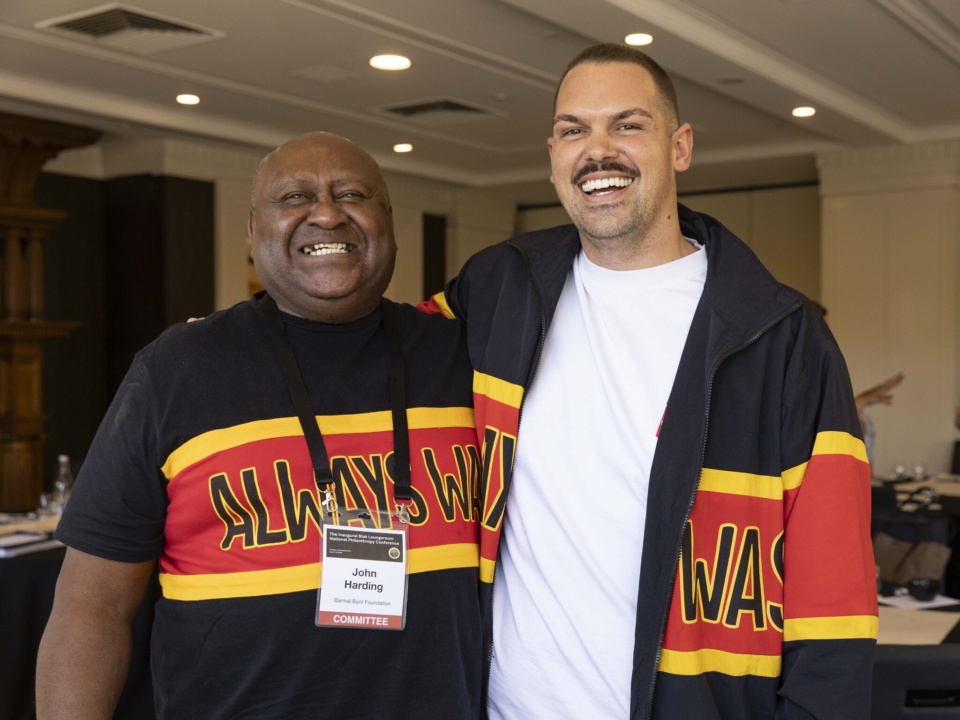
Organisers of Blak Loungeroom, a historic Indigenous-led philanthropy conference held in Melbourne…